
Liquid screed for padel court construction
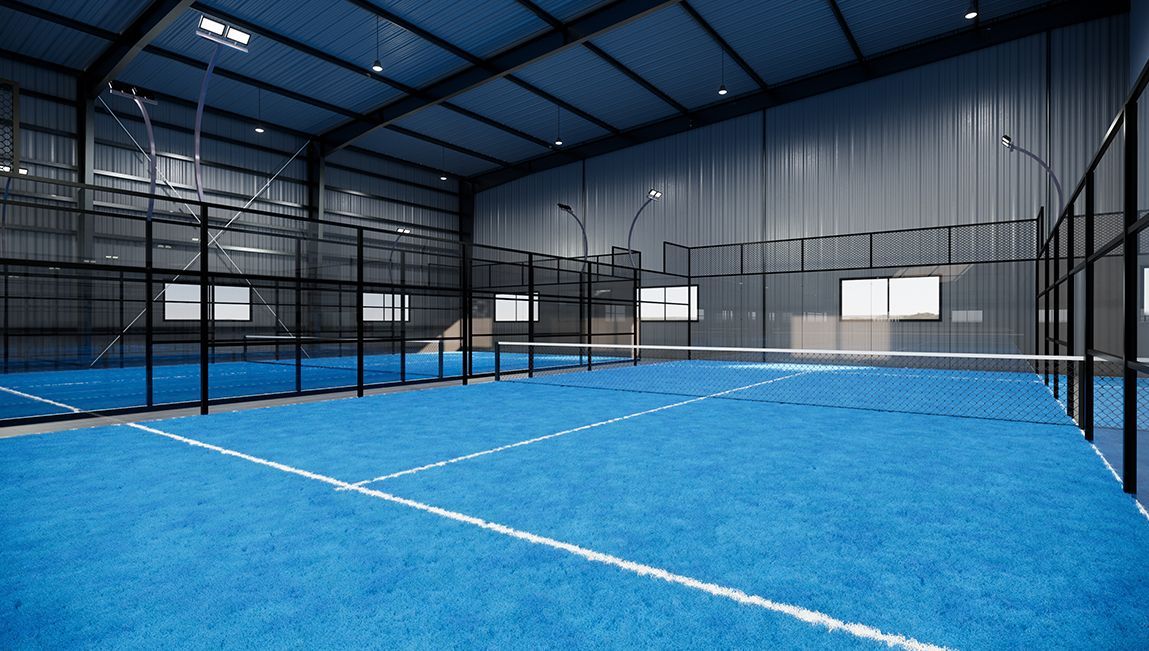
Padel is arguably the fastest growing community sport in the UK. For fitness and wellbeing, padel ticks a lot of boxes. Players who may be overwhelmed by the thought of a tennis match find padel the perfect compromise. Others simply prefer the fast-paced element of the game.
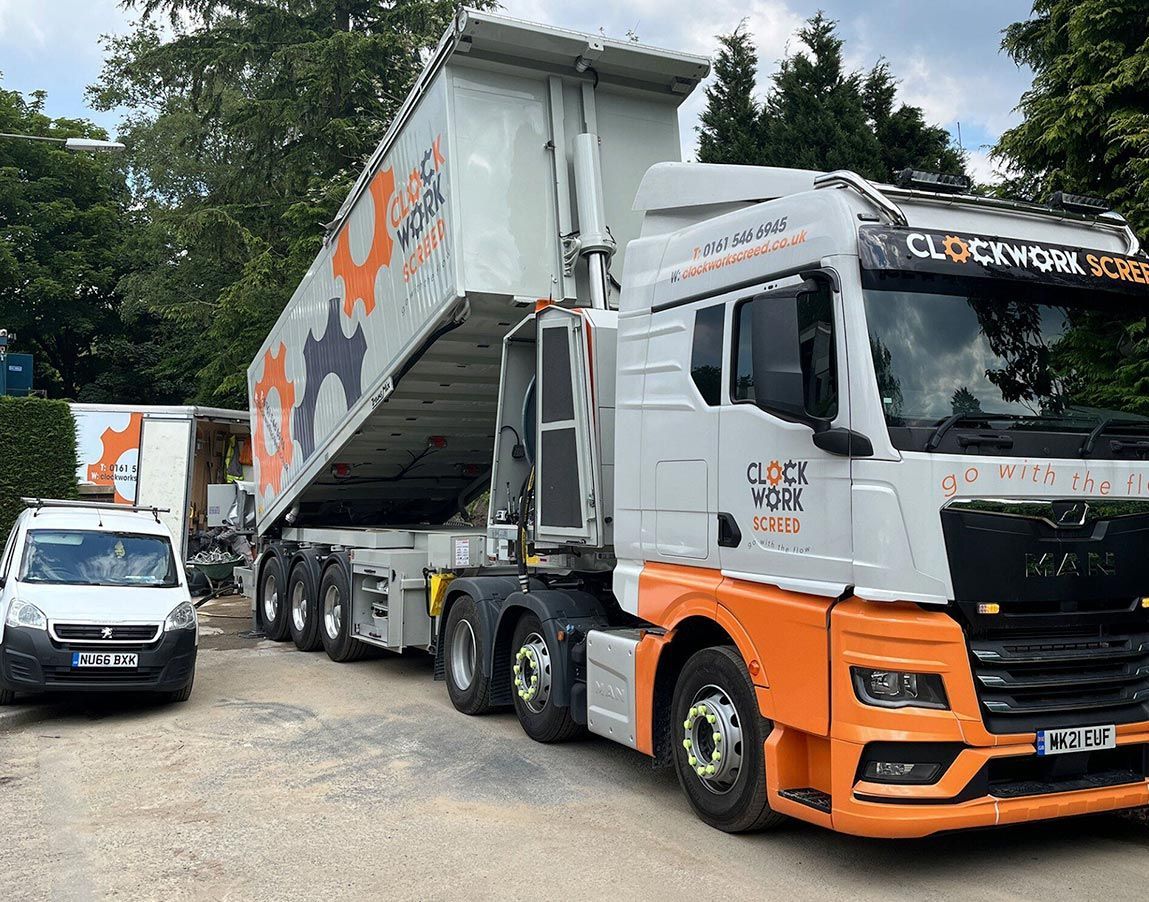
Clockwork Screed supplies and installs liquid screed to produce the perfect playing surface for padel court developers.
What is liquid screed?
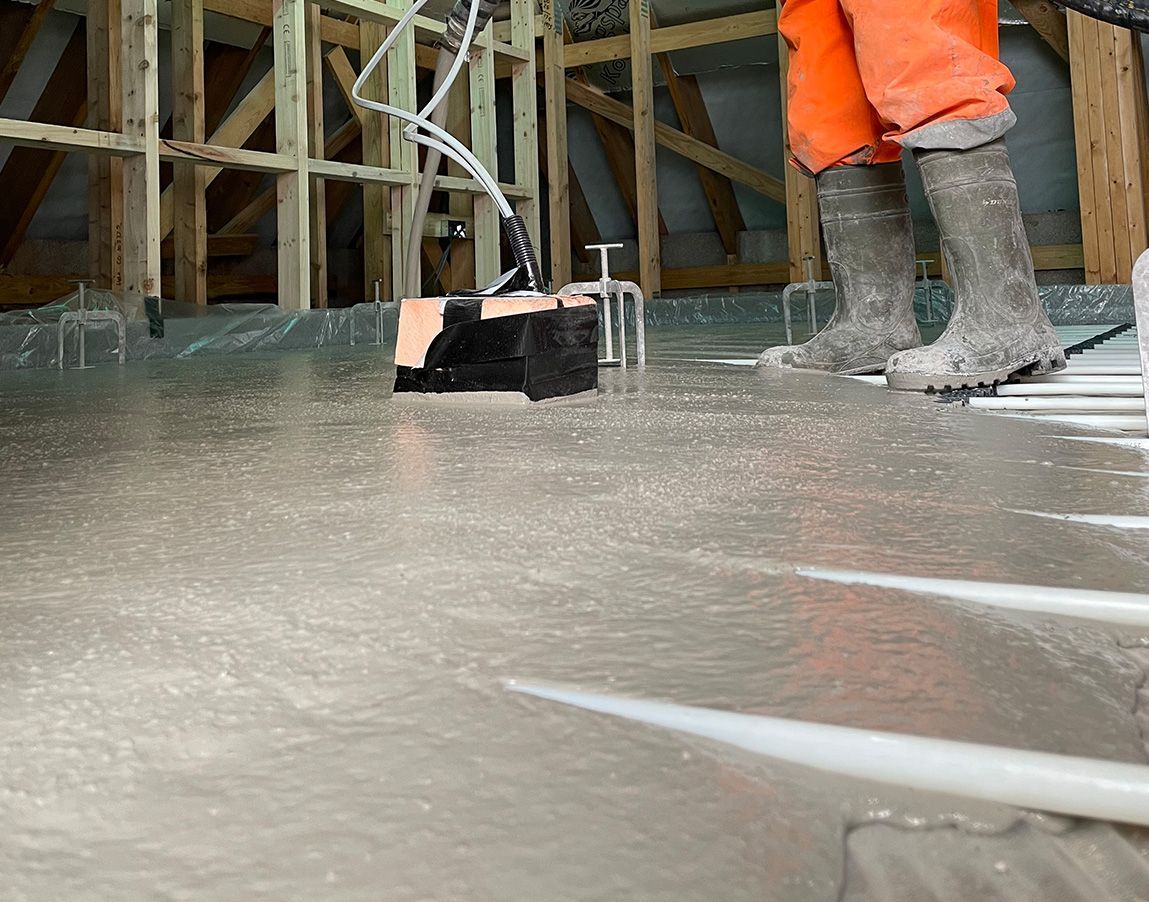
Liquid screed can be supplied as either an anhydrite screed or cementitious screed. Clockwork Screed’s cementitious liquid screed is ideal for padel court construction.
Liquid screed is poured onto the floor or surface where it self-levels and self-compacts to produce a smooth, even playing surface that is highly durable and robust.
Key benefits of liquid screed for padel court construction
Smooth and even surface
To facilitate the accurate bouncing of a ball and player safety in a padel game, the court surface must be perfectly smooth and even. This is achieved far more consistently when using liquid screed than other traditional screeds that require manual intervention to level the screed out.
Fewer joints/ trip-free surface
The Clockwork Screed team can cover up to 150m² with liquid screed without joints. Joints in a padel court can lead to trip hazards and poor performance due to cracking or unevenness below the turf, so the fewer the better.
Consistent bounce and playing performance
Of course, the reason the padel court is used in the first place is to facilitate a competitive game. The surface needs to be of a standard that allows for a consistently accurate ball bounce and optimised playing performances. A self-levelled, even liquid screed surface underneath the turf delivers the bounce and playing performance required.
Strength for consistent use
Padel is now so popular that courts are in constant use. Liquid screed provides the durability needed to meet the demand of fast-paced games on repeat.
Fast drying
Liquid screed dries and cures very quickly compared to other screeds, allowing padel court developers to meet shorter project timelines.
Thermal and acoustic benefits
For padel facilities that are based indoors or under cover, liquid screed’s density provides an impressive thermal mass that reduces noise. This is particularly beneficial in multi-court facilities or for courts located close to residential areas.
What to consider when planning liquid screed surfaces for padel courts
When planning liquid screed surfaces for padel courts, you should consider:
· Moisture sensitivity. Anhydrite screeds are moisture-sensitive, so unlikely to be suitable for outdoor courts. Cementitious liquid screed is suitable for both indoor and outdoor courts
· Curing and drying times. When planning a padel court development project, allow sufficient time for the screed to cure and dry
· A good quality concrete base. Without a concrete base that is robust, clean and primed, the benefits of the liquid screed surface that is laid on top of the concrete, cannot be realised
· Loading requirements. Screed depth and reinforcement must be clearly specified to accommodate player movements and potential falls.
Speak to Clockwork Screed before finalising padel court development plans
To avoid expensive retrofits, consulting a liquid screed specialist before padel court development plans are finalised is essential.
The team at Clockwork Screed is here to help with your padel court development. Call us on 0161 546 6945, or
contact us.


