
Liquid screed underfloor heating
Property developers, contractors and architects specify liquid screed underfloor heating due to its benefits for the build and users alike, particularly when compared to traditional screed and other flooring options for underfloor heating.
What is liquid screed for underfloor heating?
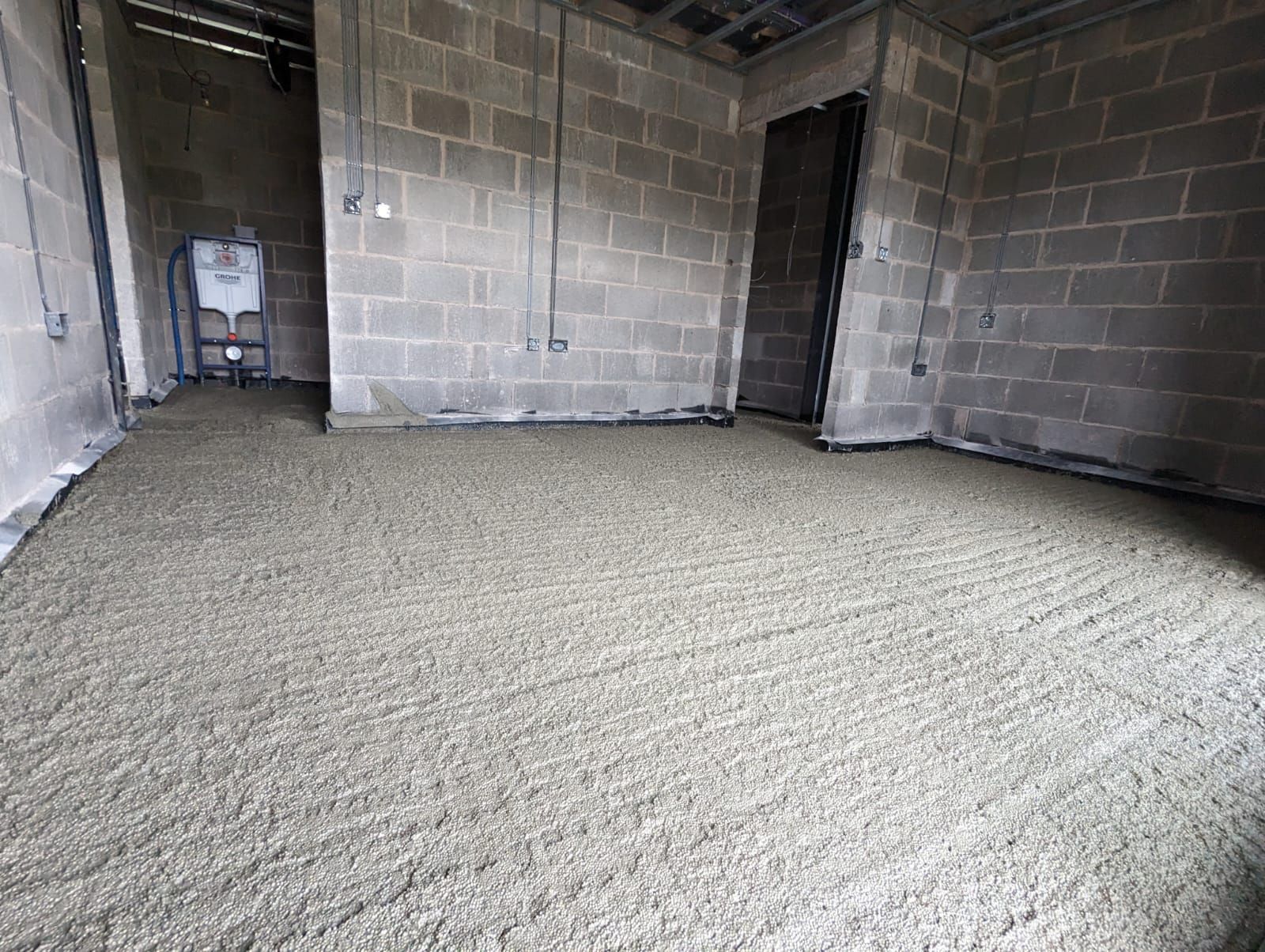
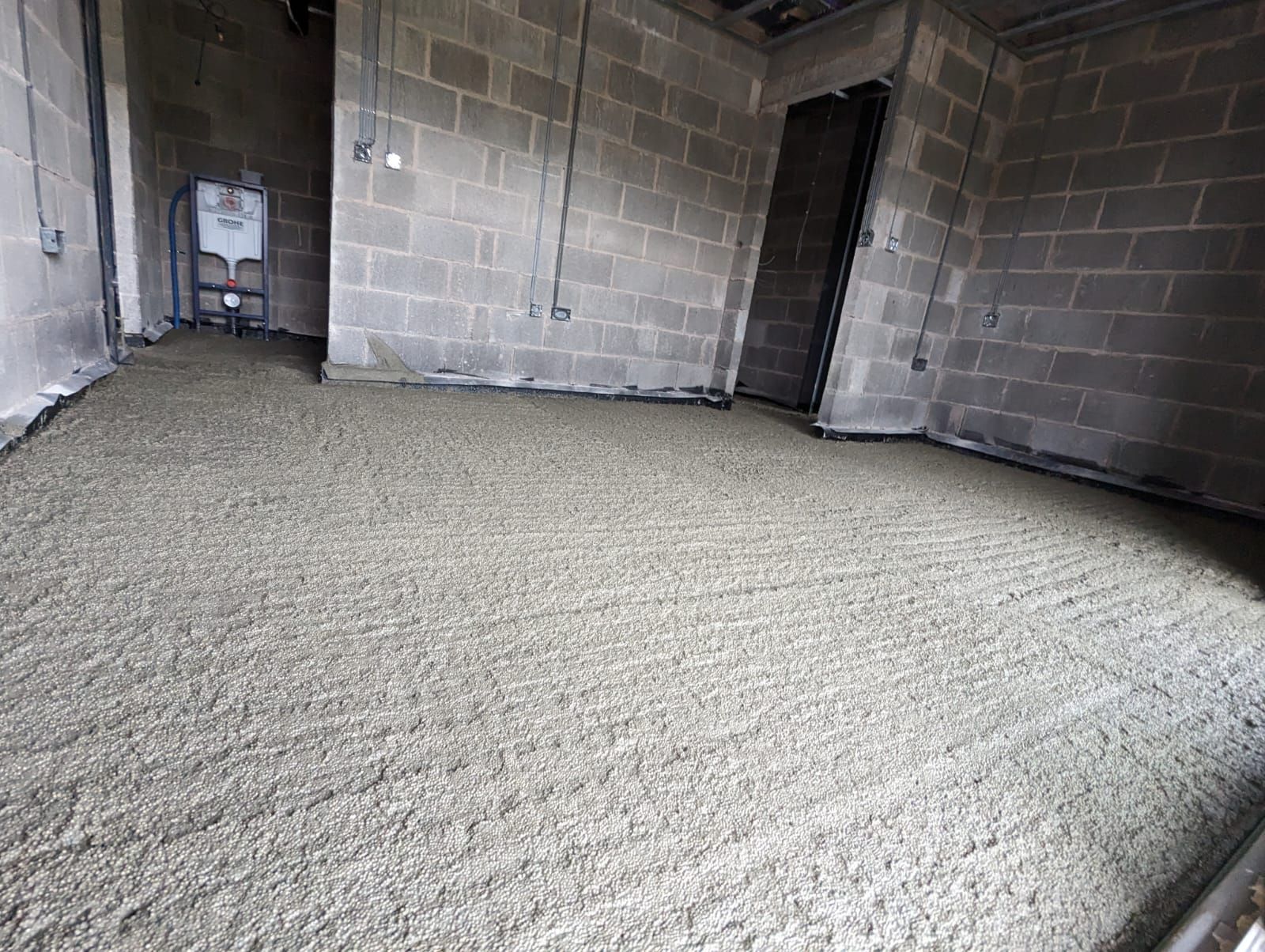
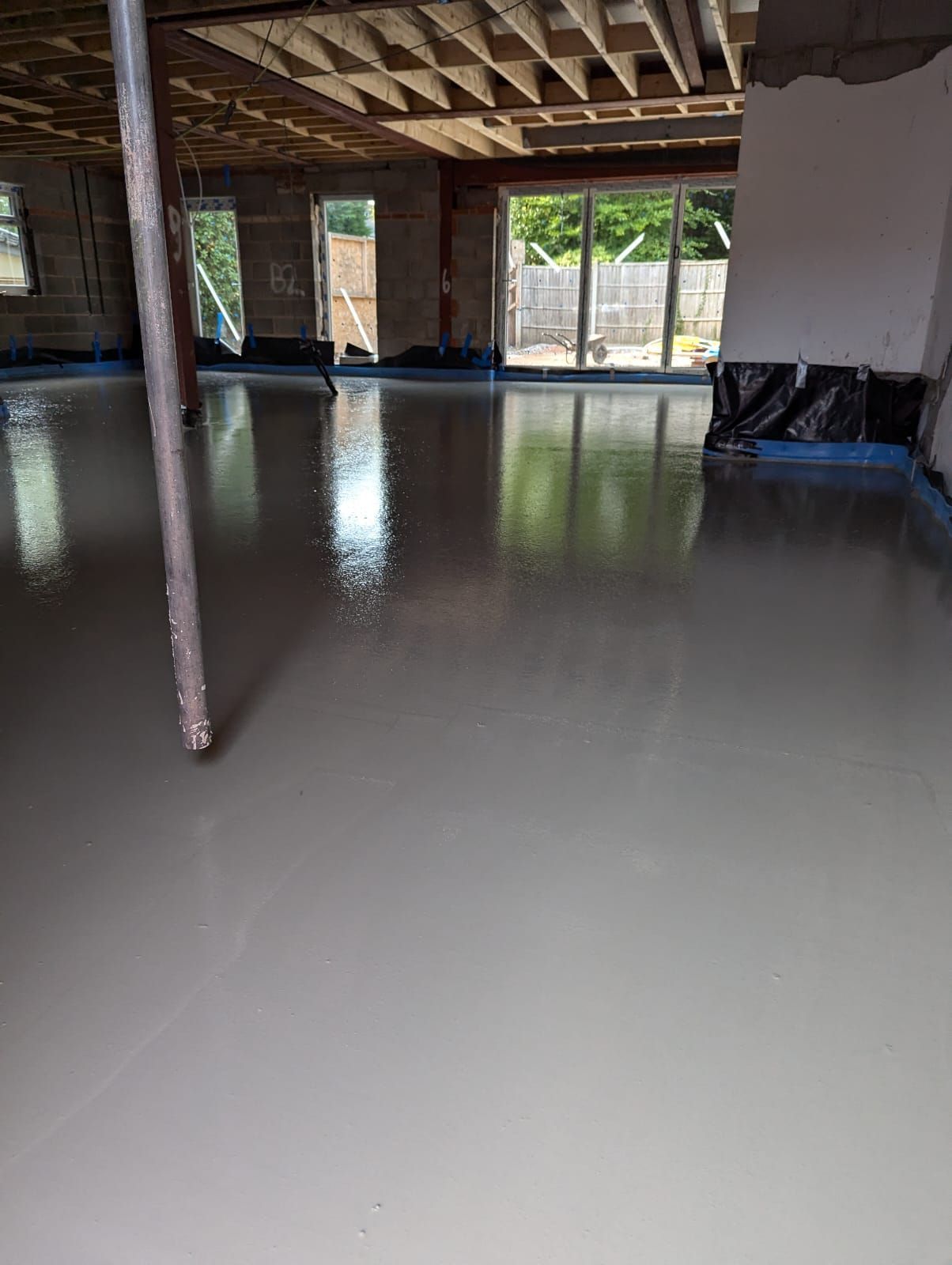
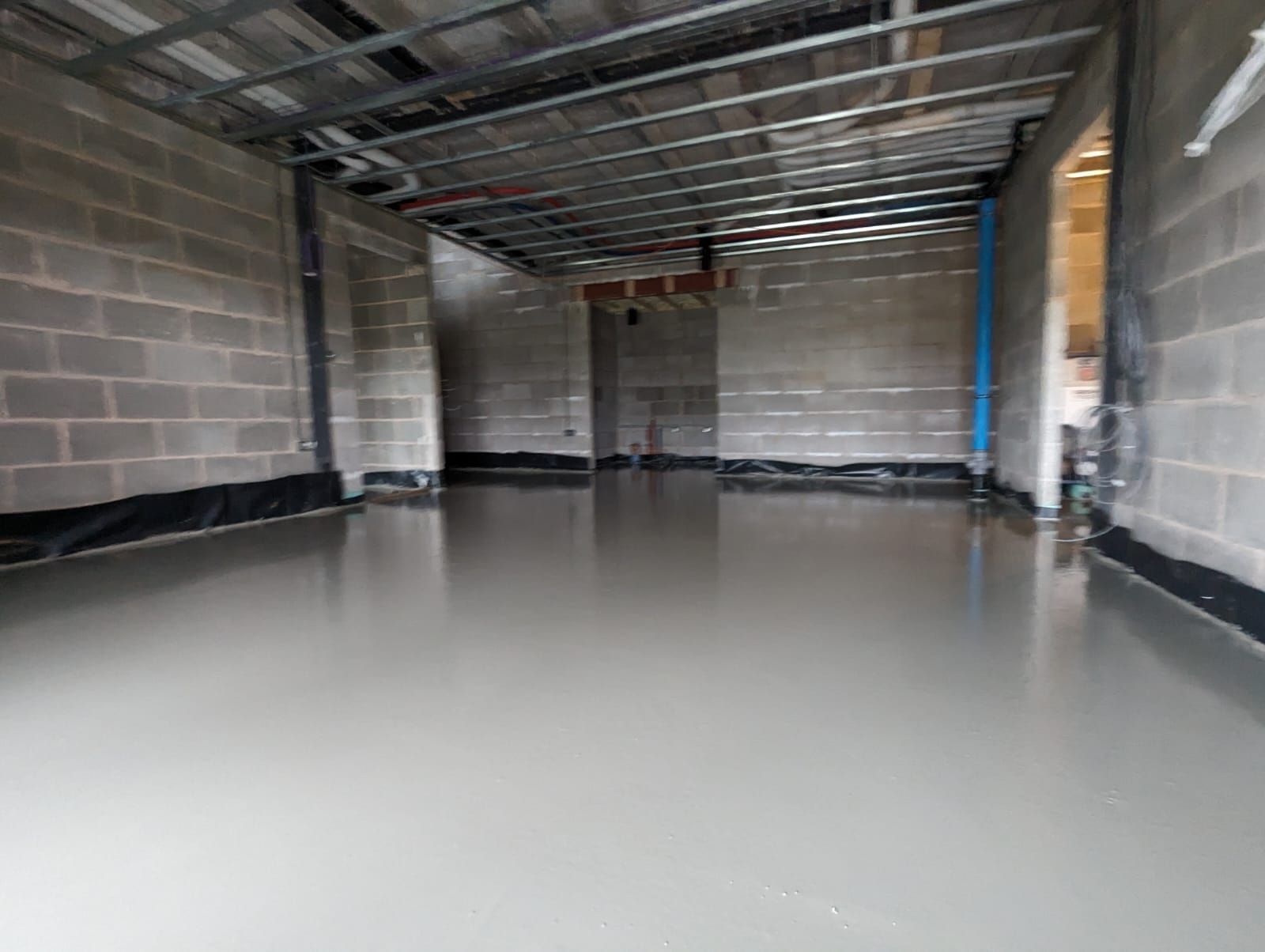
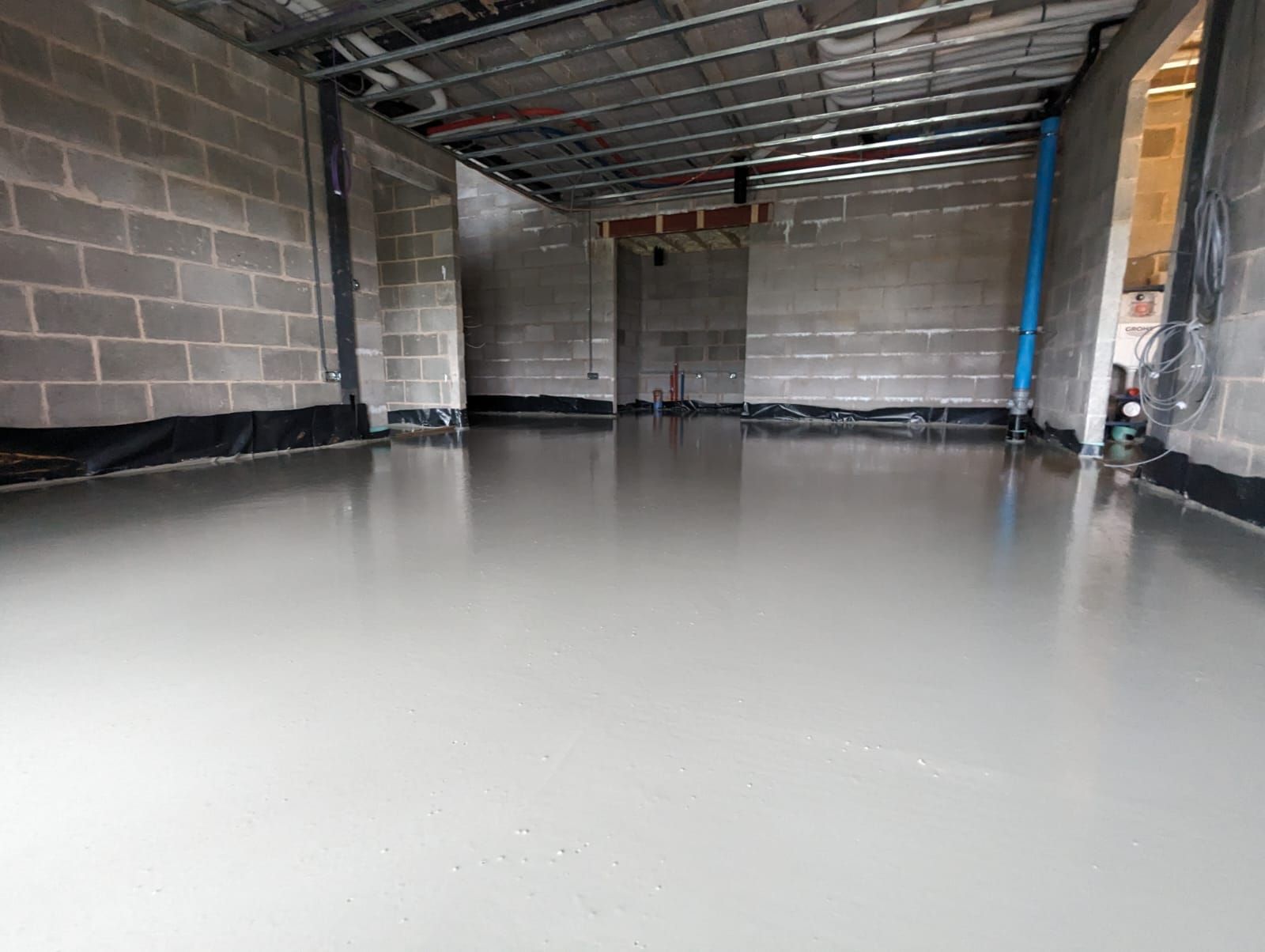
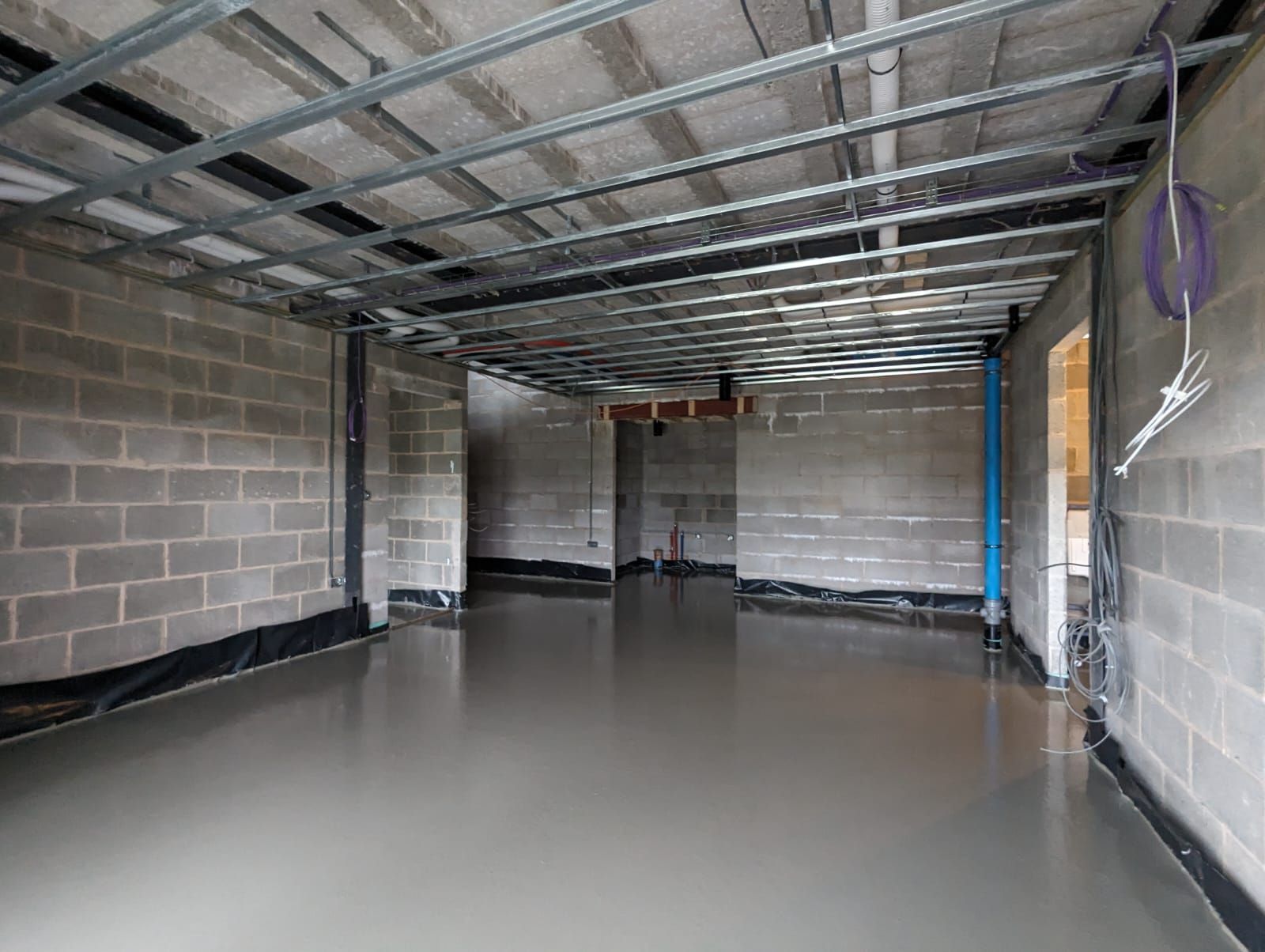
Liquid screed for underfloor heating involves pumping liquid screed onto an underfloor heating system to produce a smooth, level floor ready for a final floor finish such as laminate, tiles or wood.
Clockwork Screed supplies and installs liquid screed for underfloor heating. In contrast to the traditional process of Contractor A delivering screed to site followed by Contractor B manually laying and levelling the screed, our liquid screed is supplied and pumped onto the underfloor heating system by a single team. The liquid screed then self-levels without the need for manual intervention.









Why liquid screed is ideal for underfloor heating systems
Liquid screed is ideal for underfloor heating systems for several reasons:
- Liquid screed self-compacts which means there are no voids around the pipework from which heat could escape. This optimises the underfloor heating system’s performance
- The speed at which liquid screed is installed and dries allows underfloor heating project managers to meet deadlines more easily. Footfall can be allowed within just 24 to 48 hours of application, allowing other contractors onto site
- Liquid screed is compatible with most types of flooring, allowing for versatility in project design. Porcelain or ceramic tiles, natural stone and engineered wood are particularly popular with underfloor heating systems because of their heat transfer properties
- Floor finishes can be applied to a liquid screed floor once the screed reaches a moisture level of 2.5%CM. This is much higher than anhydrite screeds for which the moisture level must be as low as 0.5%CM which takes more time.
Liquid screed performance and heat transfer benefits
Liquid screed’s performance and heat transfer benefits are largely attributed to its strength which allows for it to be laid very thinly. The thin layer is able to transfer heat efficiently from the underfloor heating pipework, through the floor and into the room.
The depth saved by such a thin layer allows for uprating the underfloor insulation which is laid before the underfloor heating system is installed. Poured insulation is essential for maximising the performance of the underfloor heating system because it prevents the escape of heat downwards towards the ground or subfloor.
The composition of Clockwork Screed’s cementitious liquid screed generates exceptional thermal conductivity which allows heat to be transferred quickly and efficiently.

How liquid screed is installed over underfloor heating
- Before installing liquid screed over underfloor heating, the system pipework must be checked to ensure all pipes are secure to avoid floating
- Expansion foam is then inserted around the edges of the room, including at any joints, so that the liquid screed can expand and contract under fluctuating temperatures
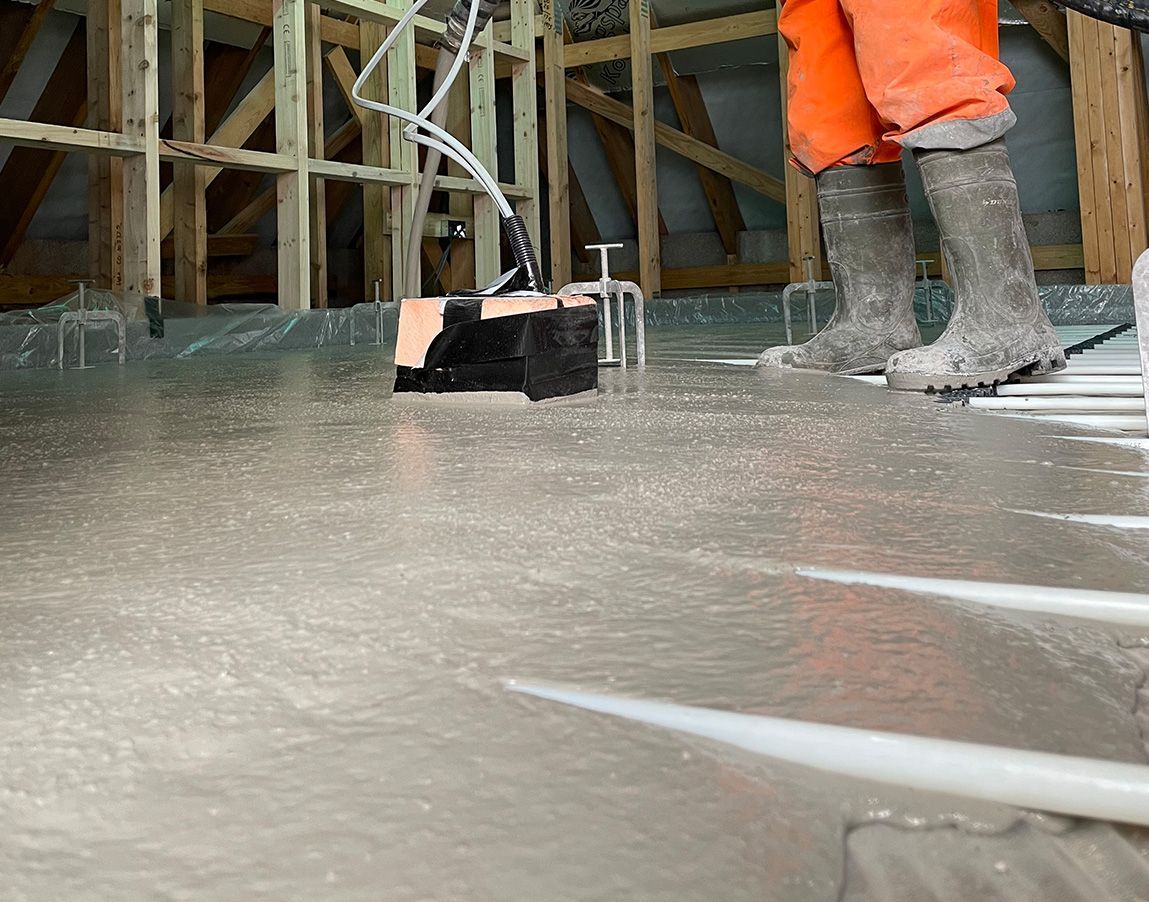
- Beginning from the furthest point from the door, the liquid screed is then pumped evenly across the room to a consistent thickness
- The screed is then left to dry and cure to the required specification which may require temperature and humidity control.
Why choose Clockwork Screed for liquid screed underfloor heating
Clockwork Screed has been a leading name in liquid screed for several decades. Our expert installers fully understand how liquid screed benefits underfloor heating systems, and can offer guidance to customers who need it.
Get in touch to find out how Clockwork Screed can help with your liquid screed underfloor heating project.


