
Floor screeding essential information
If you are considering floor screeding for your project, here is some useful background information.
What is screed?
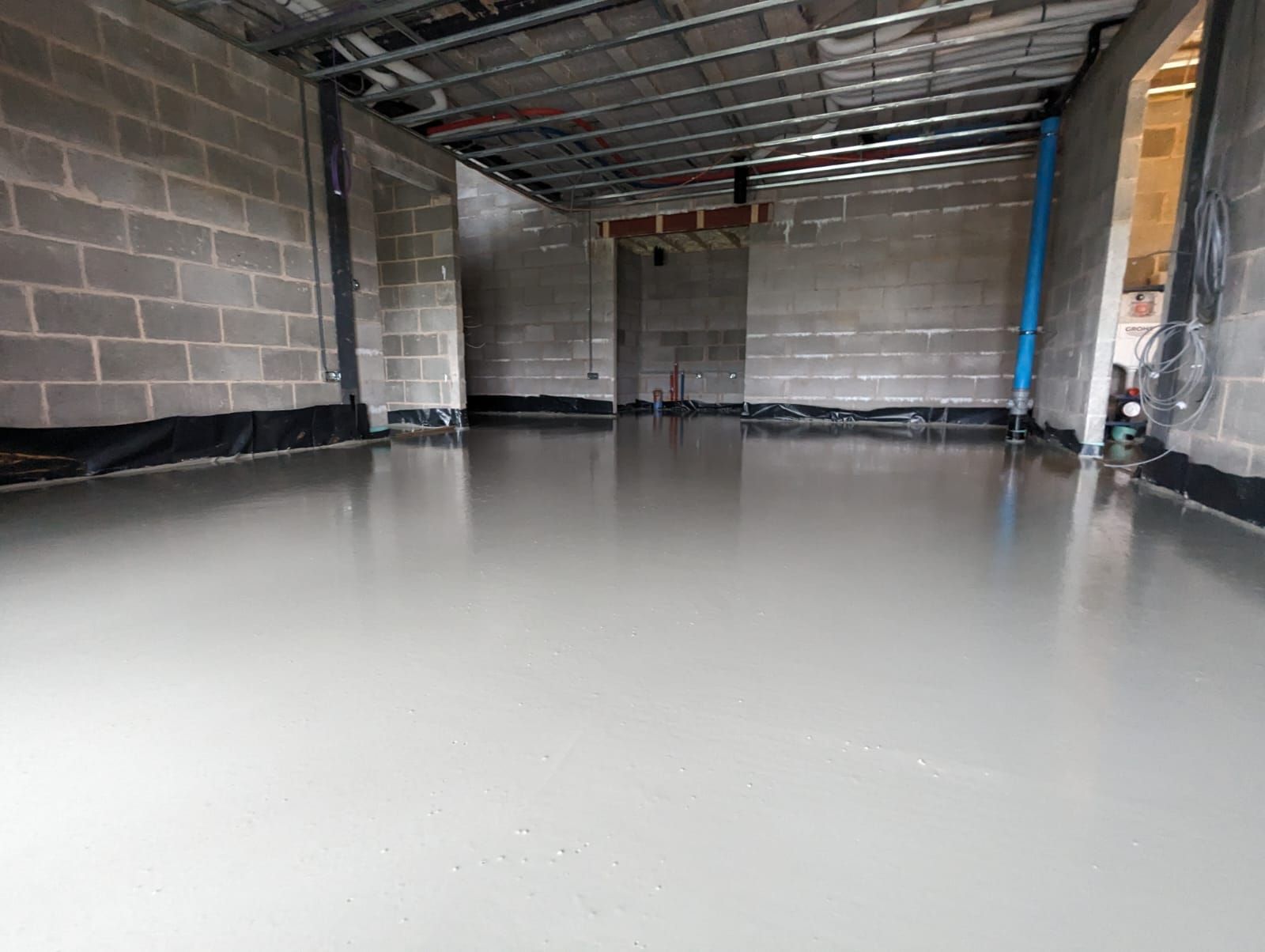
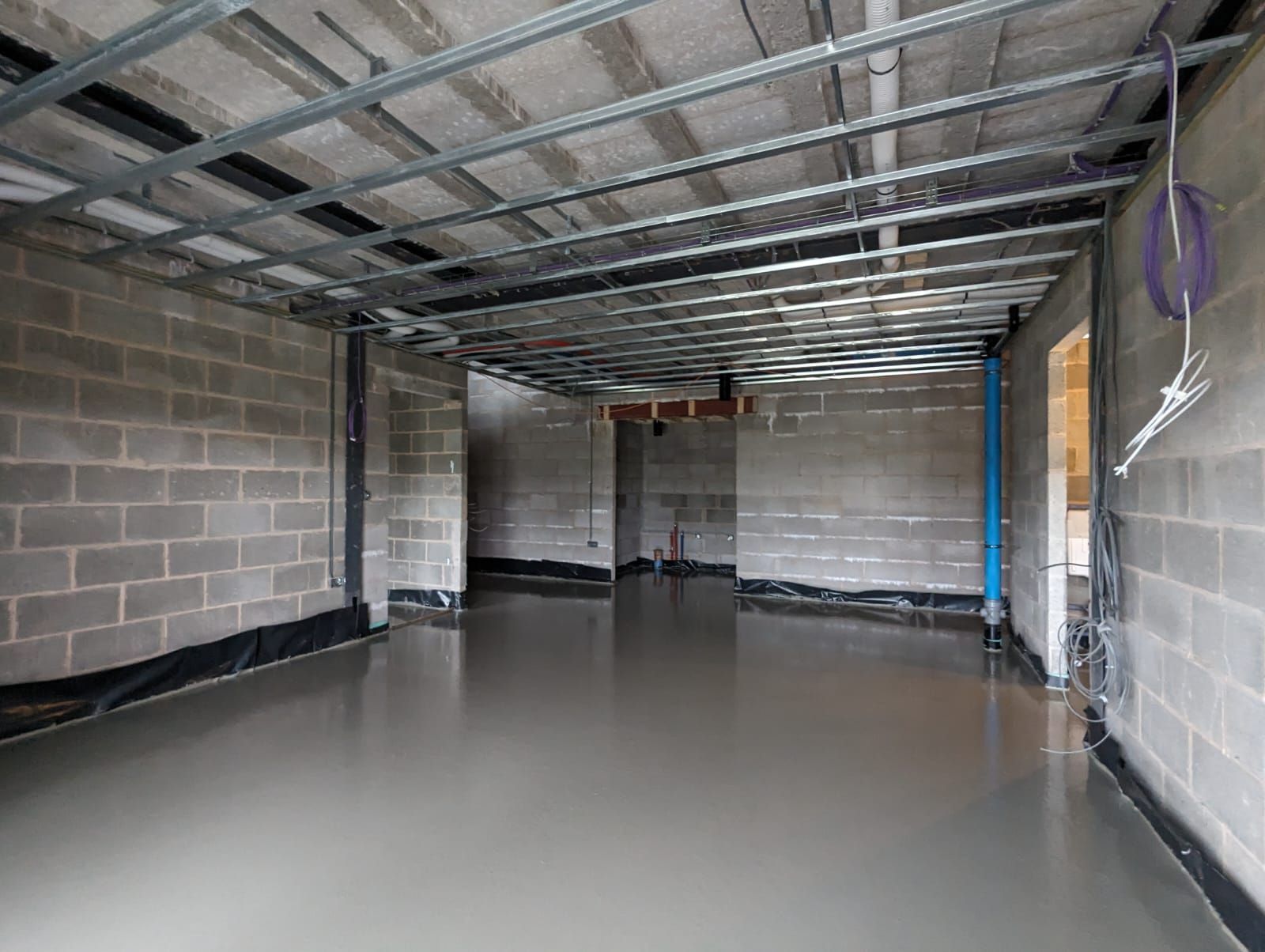
Screed is essentially a thin layer of material made of cement, sand and water that is laid over a concrete subfloor to produce a smooth surface for a final floor finish such as vinyl, laminate or tiles. Screed is exceptionally strong and hardwearing.





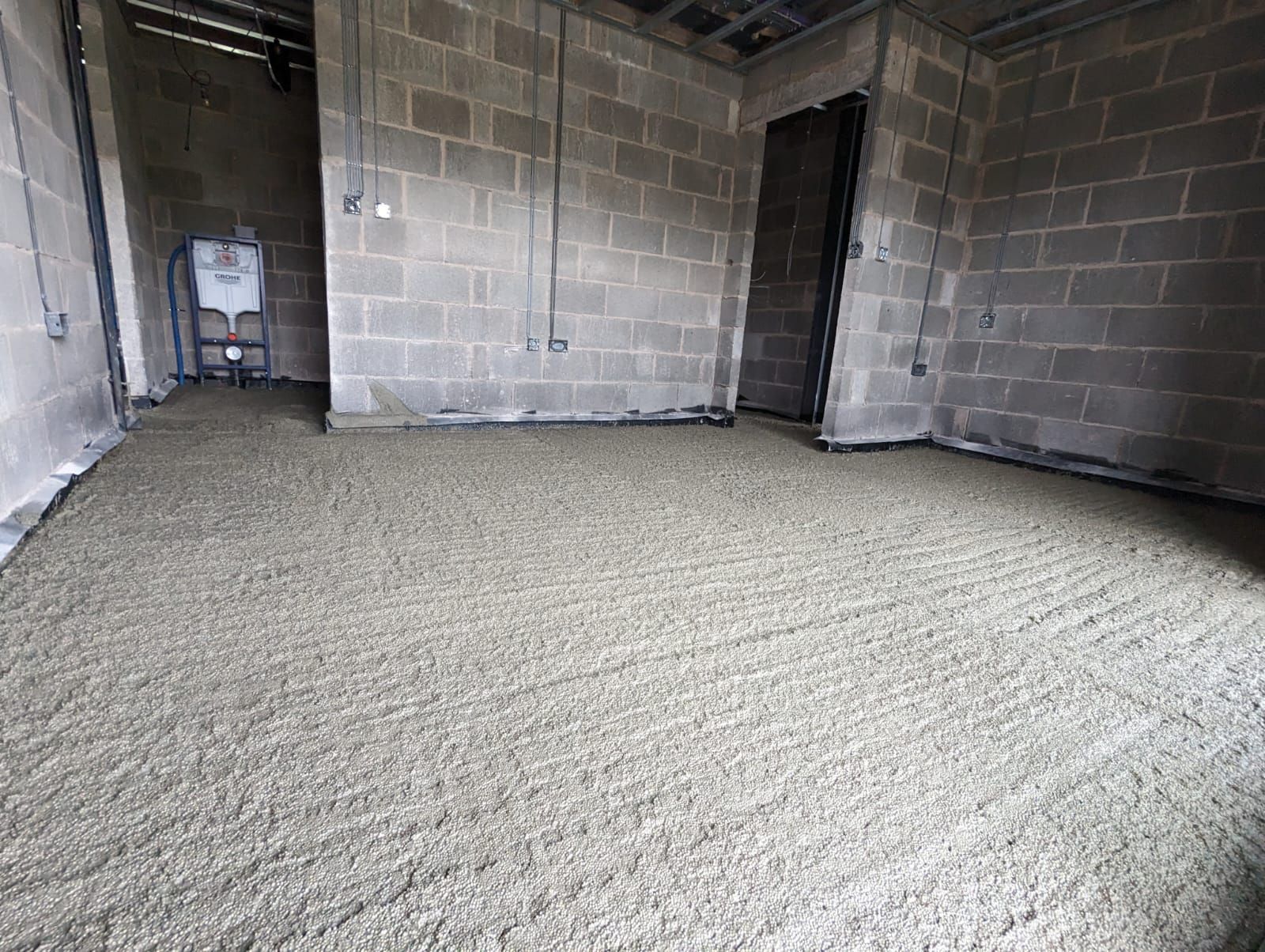
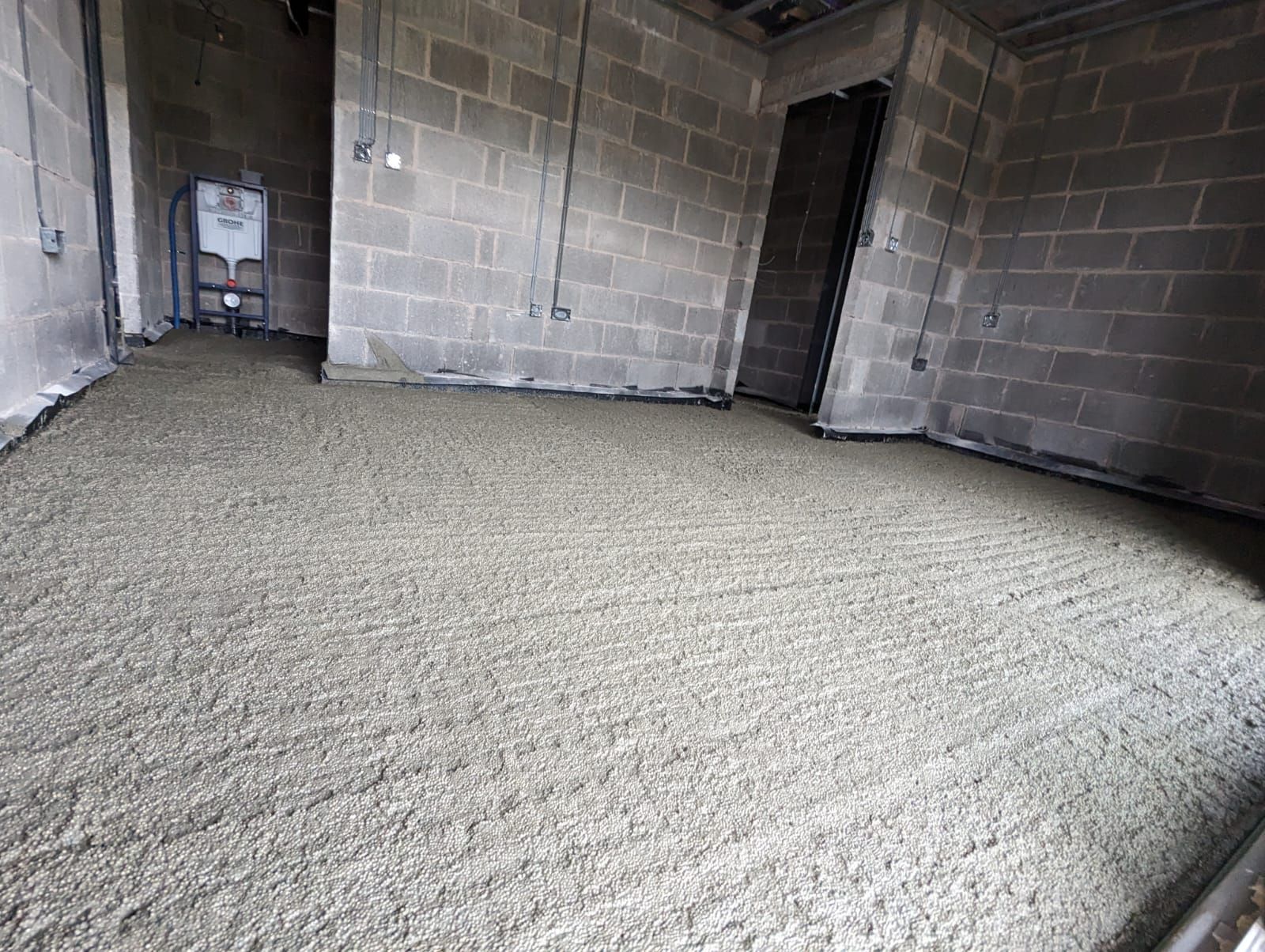
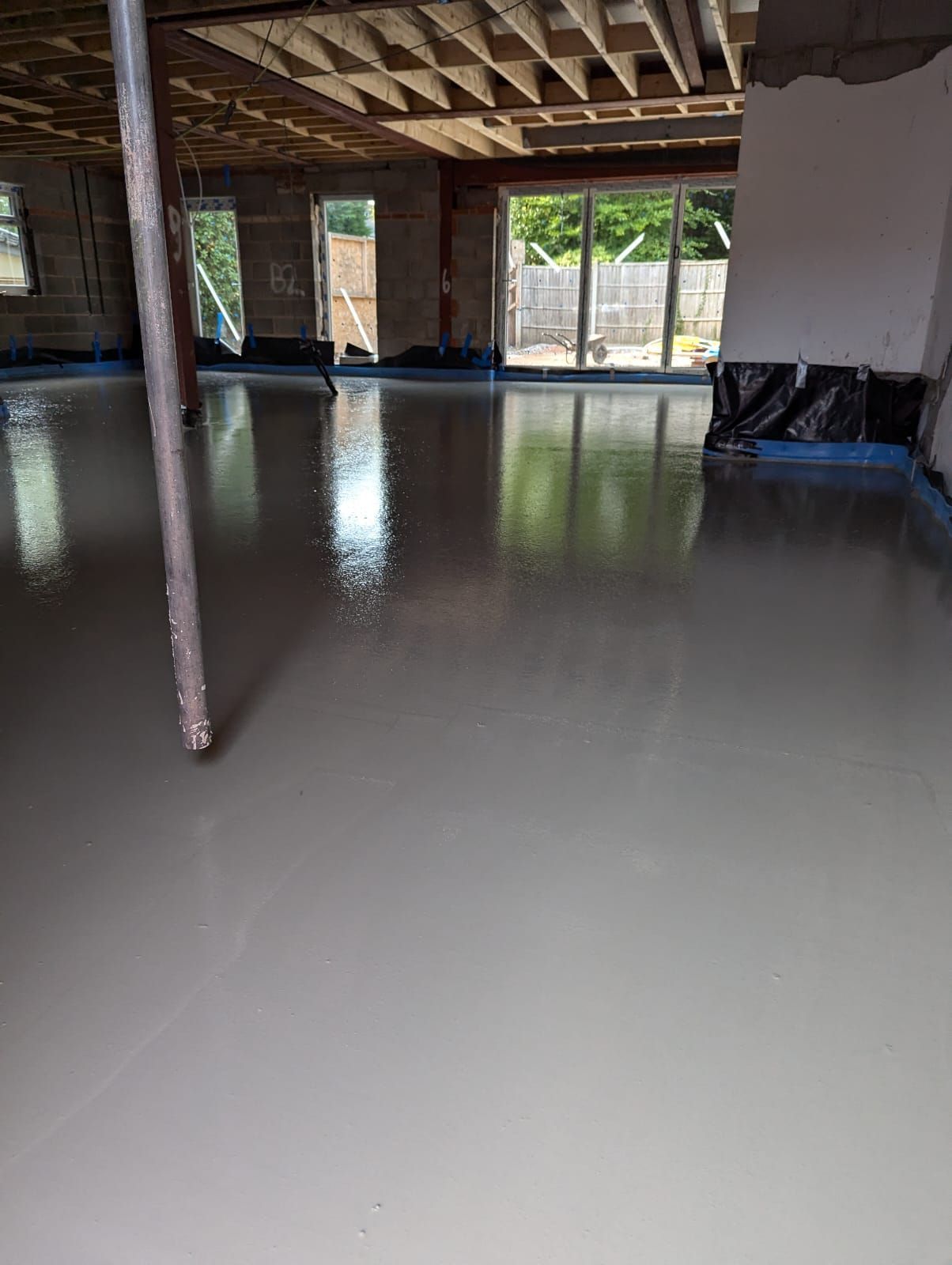
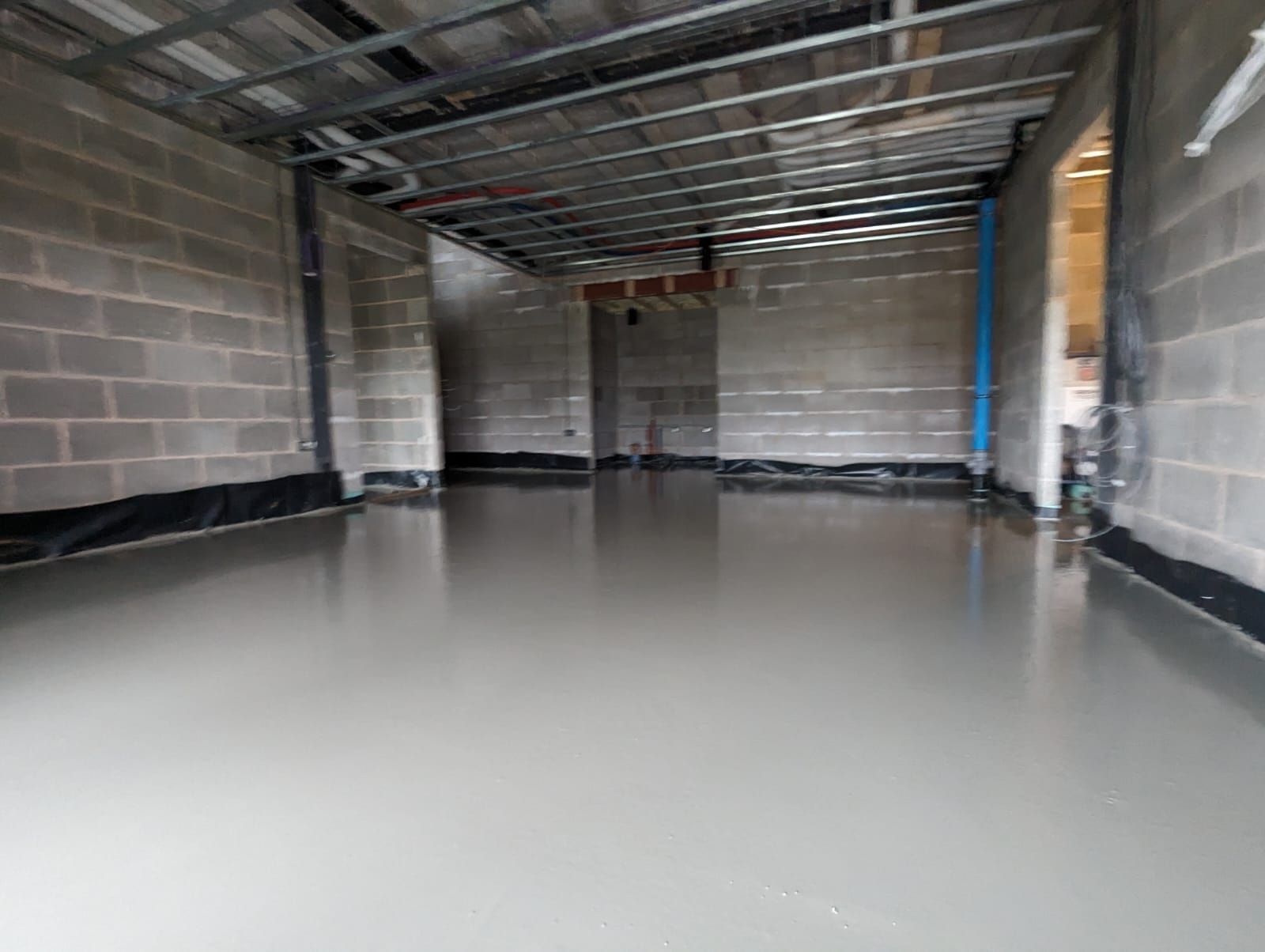
Types of floor screed
There are various types of floor screed.
Sand and cement screed
This is the traditional screed that is typically made of a 1:4 ratio of cement to sand. Sand and cement screed is either manually installed or applied using a pump.
Liquid screed
A liquid screed is generally either an anhydrite (a calcium sulphate-based binder) screed or a cementitious screed. The liquid screed supplied by Clockwork Screed is a cementitious screed. Liquid screed is poured onto the subfloor rather than manually installed.
Bonded screed
A bonded screed is applied directly onto the subfloor for optimal durability.
Unbonded screed
If the subfloor is uneven, an unbonded screed may be more suitable because it is laid onto a separating layer rather than directly onto the subfloor.
Floating screed
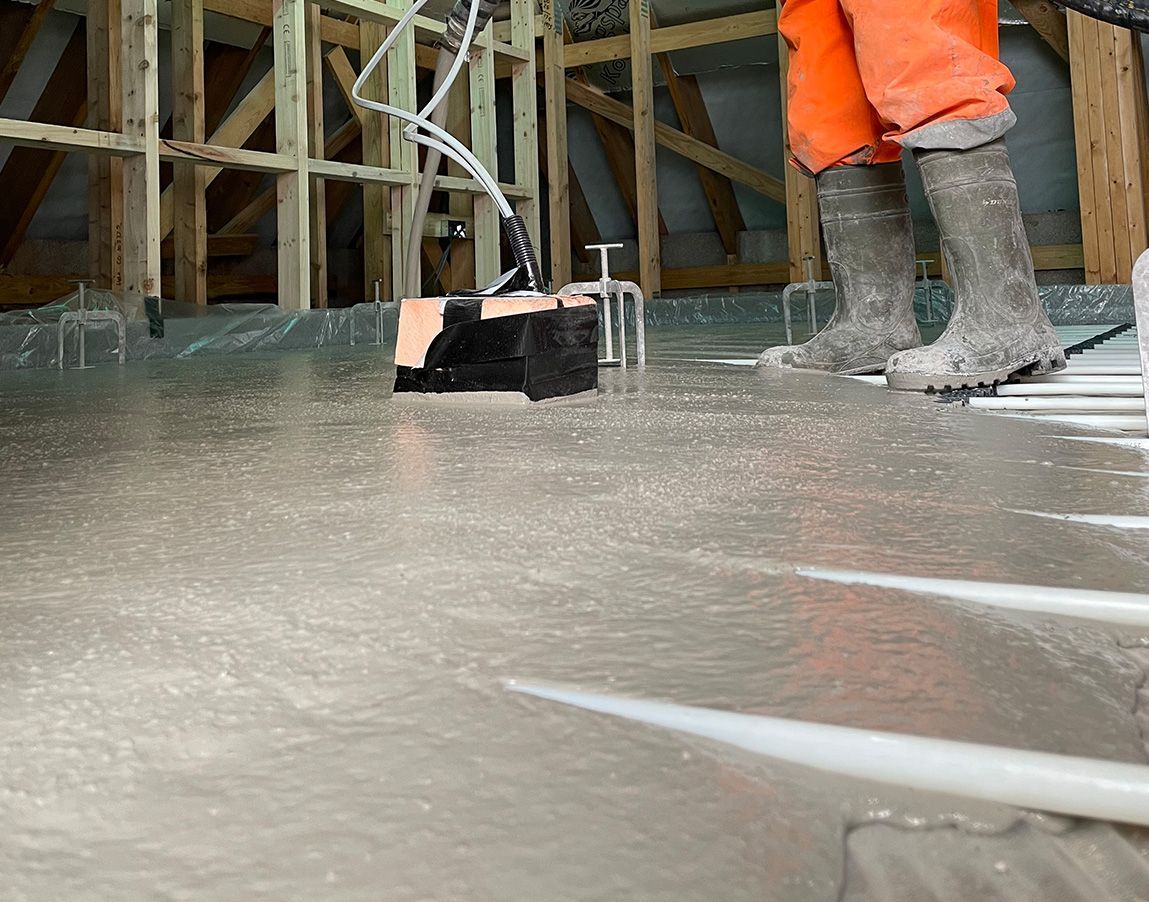
Floating screed is an unbonded screed that is typically laid over underfloor heating systems or insulation layers. By avoiding direct contact with the structural substrate, a floating screed maximises thermal and sound insulation.

What is screed used for?
Screed is used for both residential and commercial build projects.
Screed for residential buildings
Thanks to its excellent thermal conductivity, screed is ideal for residential properties with underfloor heating. Screed enhances the even distribution of heat throughout a room, making homes more energy efficient.
For homeowners keen to create modern, stylish homes with clean lines and smooth surfaces, screed is an effective way to achieve that polished floor aesthetic.
Screed for commercial buildings
The durability and strength of screed makes it ideal for commercial and industrial buildings. Screed is often used in warehouses because it can withstand the movement of machinery and general heavy traffic.
For employers, screed provides the peace of mind of smooth, level flooring for safe working environments. In public commercial spaces such as retail units, the compatibility of screed allows for versatility in design by widening the choice of final floor finish to achieve the required aesthetic.
How long does it take for screed to dry?
The length of time it takes for screed to dry depends on various factors, one of which is the thickness of the screed. A general rule of thumb is that it takes around 5 days per centimetre of screed thickness for screed to dry, if drying conditions are optimised. A warm room temperature, good air ventilation and low humidity all expedite the drying process.
Drying times can also be reduced if certain additives are put into the screed mix, with rapid-dry additives reducing drying times to as little as 12 hours.
Why choose Clockwork Screed for floor screeding
Clockwork Screed has decades of experience in floor screeding. Contractors and property developers repeatedly use our services because they can rely on the quality of our work and our collaborative approach.
If you need floor screeding for your project, get in touch.


