Cost Transparency: What Really Affects Screed Prices
Cost Transparency:
What Really Affects Screed Prices
When it comes to floor screeding, one of the biggest concerns for clients is often the cost and for good reason. Understanding what really drives the price of screed installation can help clients budget better, avoid surprises, and ultimately feel more confident about the process. This article breaks down the main factors affecting screed costs and shares practical tips to help you make sense of your estimates and final bills.
Key Factors That Affect Screed Costs:
Type of Screed
There are several types of screed available, each with different price points. Traditional sand and cement screeds tend to be the most affordable option. More modern types, such as liquid or flowing screeds, rapid-drying, and fibre-reinforced versions, provide more value due to their enhanced performance, faster curing times, or speciality additives. The choice of screed should match the project's technical requirements and budget.
Screed Thickness
One major factor impacting screed prices is thickness. Traditionally, UK screeds were set at 75 mm to satisfy the requirements of sand and cement mixes and guarantee robust structural integrity, especially over underfloor heating. However, modern liquid screeds like those installed by Clockwork Screed achieve the same or better performance at reduced depths of 40 to 50 mm. This thinner layer means less material, less weight, and faster drying times, saving both product and labour costs without sacrificing strength or efficiency.
Specifying only as much thickness as necessary leads directly to cost savings throughout the project. For underfloor heating, liquid screeds encapsulate pipework perfectly, and their improved thermal properties allow quicker heat transfer and lower energy consumption. Moving away from the outdated habit of over-specifying thickness lets clients benefit from reduced environmental impact, less waste, and faster project turnarounds. Choosing the right screed thickness, optimised for your system rather than defaulting to old standards, offers significant financial, practical, and sustainability advantages.
Size of the Area
Screeding is typically priced per square metre. Larger areas benefit from economies of scale to some extent, reducing unit costs slightly. Conversely, small or awkwardly shaped areas can be proportionally more expensive because set-up and transportation costs get spread over fewer square meters.
Preparation Work
Site preparation has a big impact, but it’s often underestimated. Tasks like removing old flooring, levelling existing surfaces, repairing damaged substrates, or installing insulation can all add to labour and material costs. Proper preparation ensures the screed performs well and lasts longer, but may increase initial expenses. Cutting corners here often costs more in the long run.



Labour and Installation Method
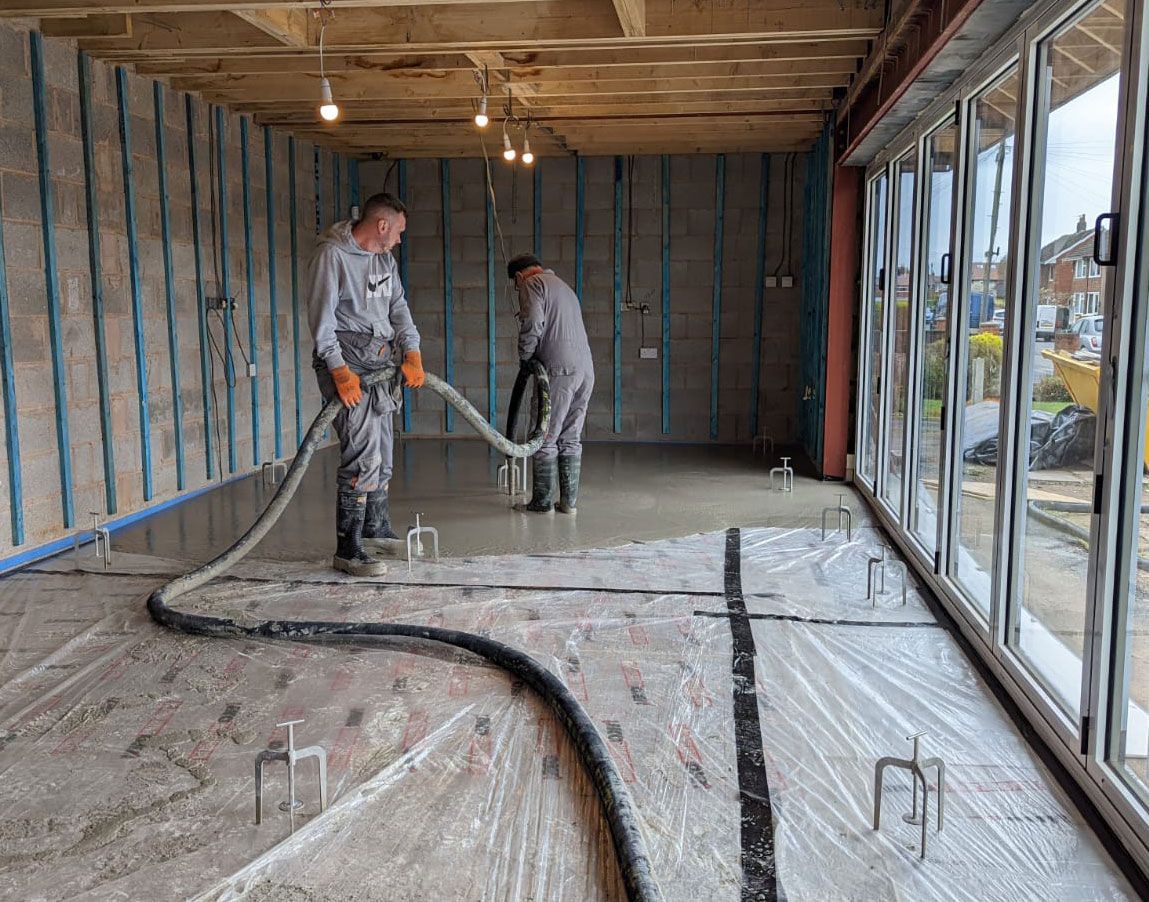
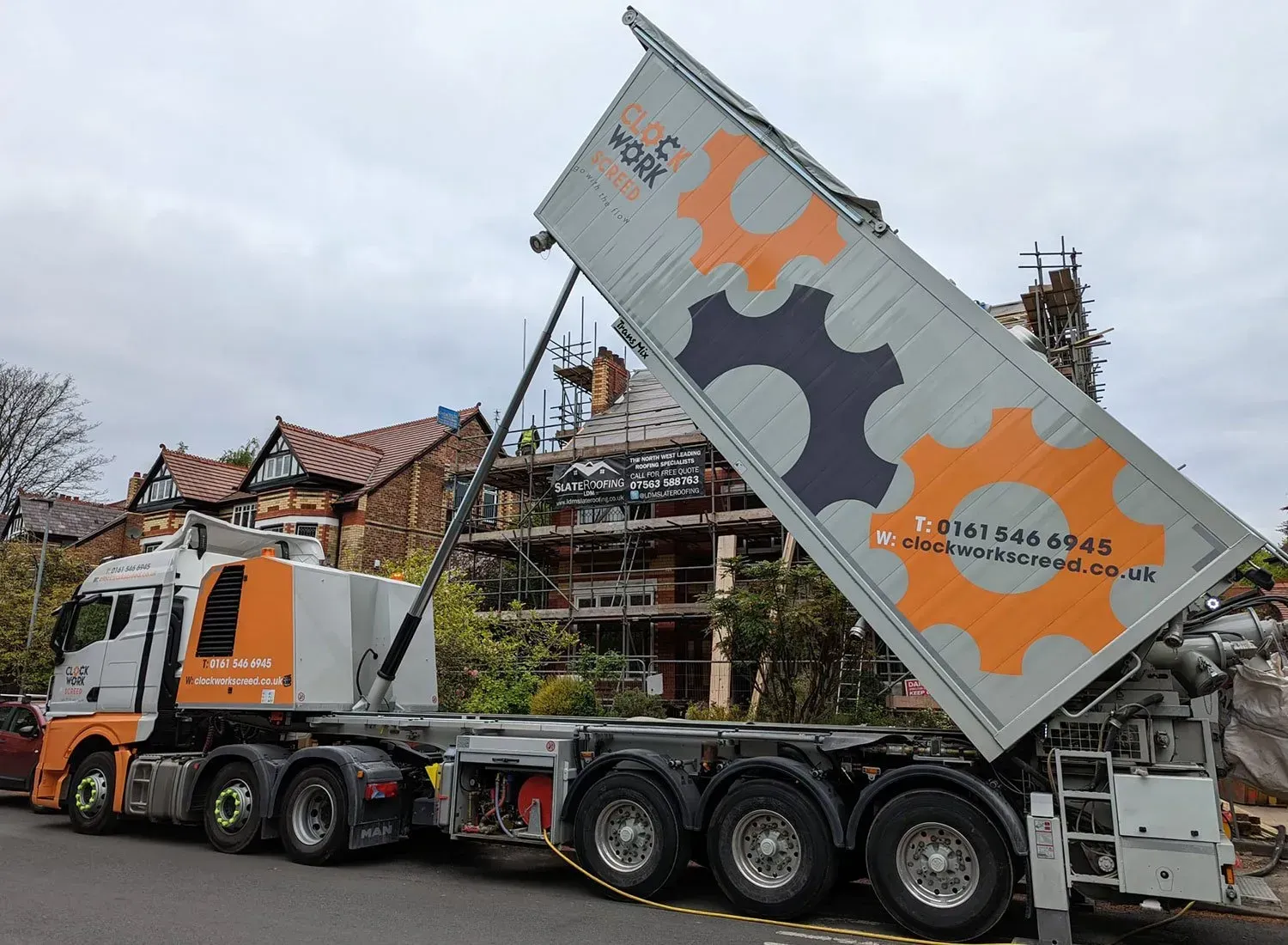
Labour intensity varies depending on the complexity of the project and the method used. Manual screeding is more labour-heavy and can be pricier than machine-applied or ‘poured screed’, which speeds up the process and reduces man-hours.
Weather and Scheduling
For outdoor or partially exposed sites, adverse weather can delay work and increase costs. Moisture testing and timing installations for dry conditions help keep projects on track. Delays mean extra labour or wasted materials, so scheduling well is crucial.
Site Access and Logistics
Tight access, parking restrictions, or delivery timing can add logistical challenges and costs. Remote sites may also incur higher transport expenses, and some locations have higher labour rates. Clockwork Screed’s mobile trucks enable screed to be pumped from the truck to a location up to 100 metres away, to alleviate the problem of tight or limited access. Knowing these factors upfront helps set realistic budgets.
Tips for Better Budget Control
Request a detailed, itemised quote that highlights labour, materials, preparation work, and contingencies.
Ensure the screed type and depth are specified based on your floor’s use and technical needs.
Discuss site conditions thoroughly with your installer to avoid unexpected prep costs.
Plan for a buffer in your budget to cover potential weather or delivery delays.
Choose established companies that communicate transparently and provide clear timelines.
Why Cost Transparency Matters
When clients understand what contributes to screed pricing, they can plan better and make informed decisions on where to invest for performance, speed, and durability. It also builds trust, clients appreciate honesty about what influences costs rather than vague estimates or surprises.
At Clockwork Screed, being upfront about these factors helps set expectations right and demonstrates commitment to quality and client satisfaction. Transparent pricing can reduce disputes, improve communication, and strengthen client relationships for repeat business and referrals.
Screed installation costs may seem complex, but they come down to a few key factors: type and thickness of screed, area size, site preparation, labour method, weather risks, and logistics. Knowing how these elements contribute to your quote empowers you to budget smartly and get the best value for your investment.