Streamlining Floor Packages: One Truck, One Accountable Team
Streamlining Floor Packages: One Truck, One Accountable Team
Floor screed packages have a habit of turning into the weak link on any site, juggling deliveries from three suppliers, wasting screed you can't return, and chasing gangs when the pump's late or the mix goes off. This article cuts through all that with Clockwork Screed's mobile factories, where one truck rolls up loaded with materials, mixes exactly what you need on the spot, pumps it straight out, and finishes it to a consistently high standard with their specialist team.
One Team, One Truck: De‑Risking Floor Packages with Mobile Screed Plants speaks directly to site and project managers under pressure to deliver quality floors without drama. Bringing supply, mixing, pumping and finishing together into a single mobile screed factory removes layers of complexity and gives you a single, accountable team on the critical screed day.
Cutting Coordination Headaches on Site
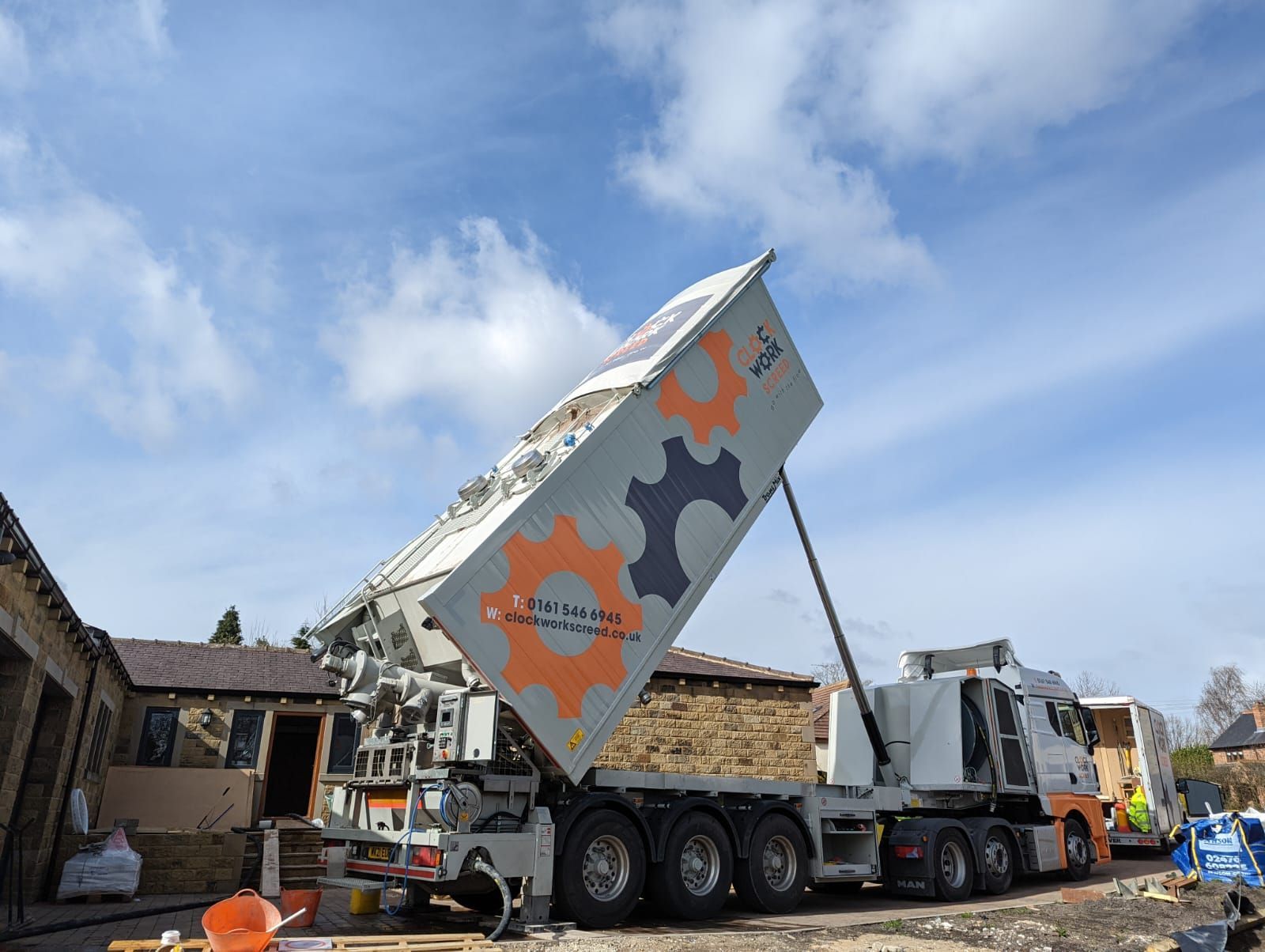
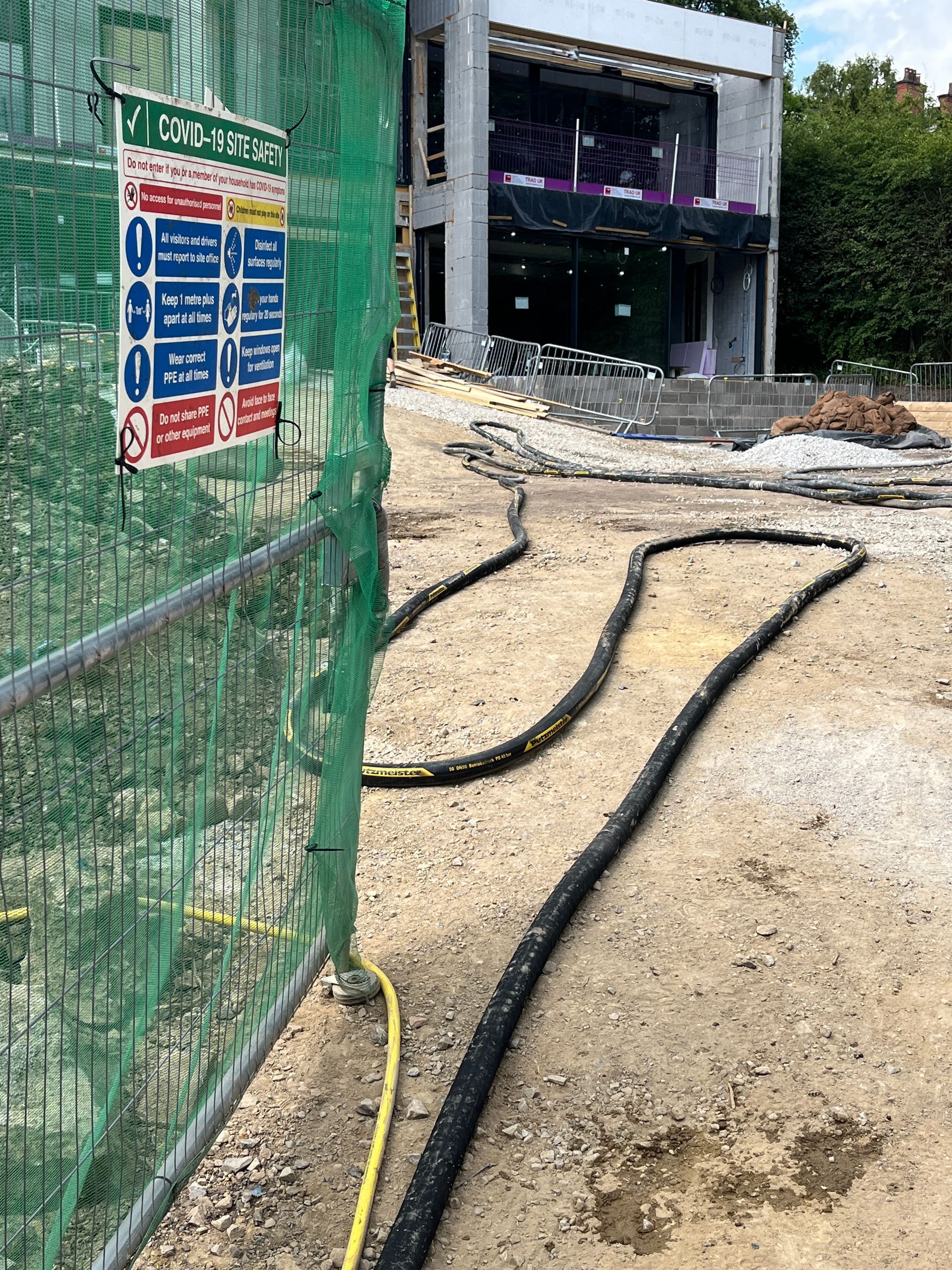
In a traditional setup, screed relies on multiple moving parts: concrete or screed deliveries, hired pumps, separate labour gangs and, often, different contractors for insulation and screed. Each extra interface is another opportunity for miscommunication, delay or dispute over responsibilities. Clockwork Screed’s mobile screed factories change that by turning the truck itself into a self-contained production unit, staffed by a specialist team.
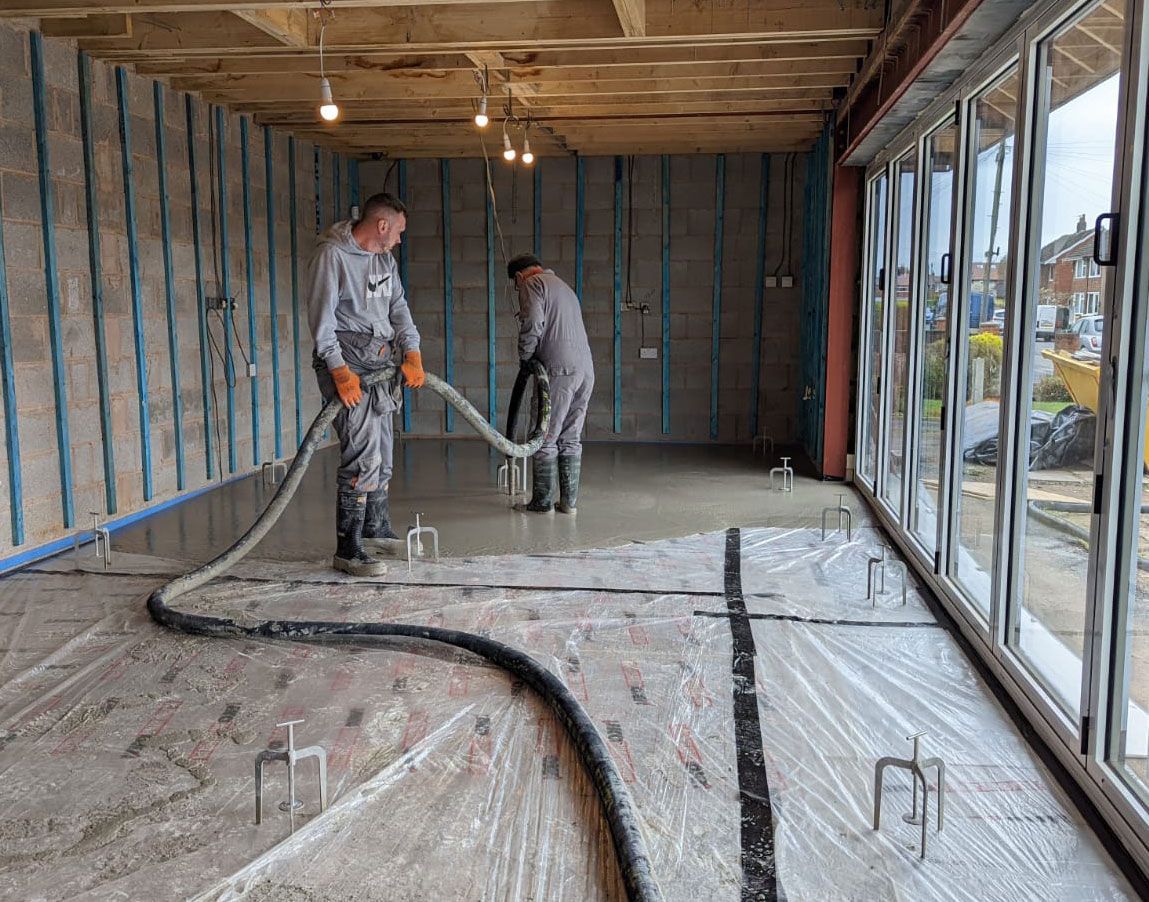
Materials are stored, batched and mixed on the vehicle, then pumped directly to where they are needed. The same people who control the mix are responsible for placing and finishing the screed, so there is no handing off between suppliers and no gaps in accountability. For a site manager, that means one call, one arrival, one Recyclability Assessment Methodology (RAM’s) pack and one team to brief, rather than juggling three or four separate suppliers around a tight programme.
This integrated approach also makes live adjustments easier. If a particular area requires a different consistency or depth, the team can adapt the mix on the spot without waiting for a new batch from a remote plant. That responsiveness further reduces the risk of rework, snags and level issues that can hold up follow-on trades.
Only Batching What You Need
Ordering screed as fixed loads often forces you to choose between over-ordering “just in case” or risking a shortfall. Over-ordering leads to wasted product and extra cost; under-ordering triggers emergency top-up loads, standing time on pumps and delays across the programme. A mobile screed factory removes that guesswork by batching screed continuously on site, so you only produce and pay for what the floor actually takes.
Because Clockwork Screed can batch‑produce the exact quantity required, there are no part loads, no surplus to dispose of and no last-minute calls for extra wagons. This precision is especially valuable on complex footprints and refurbishments, where drawings and as-built measurements rarely align perfectly. The result is tighter cost control, fewer variations and less time lost waiting for additional materials.
Minimalwaste also supports sustainability and housekeeping. Without leftover screed or piles of discarded material, sites stay cleaner and safer, with less time spent managing skips, washouts or returns. For main contractors measured on waste and environmental KPIs, that is another tangible benefit of the mobile plant approach.
Better Finish, Better Communication, Better Handover
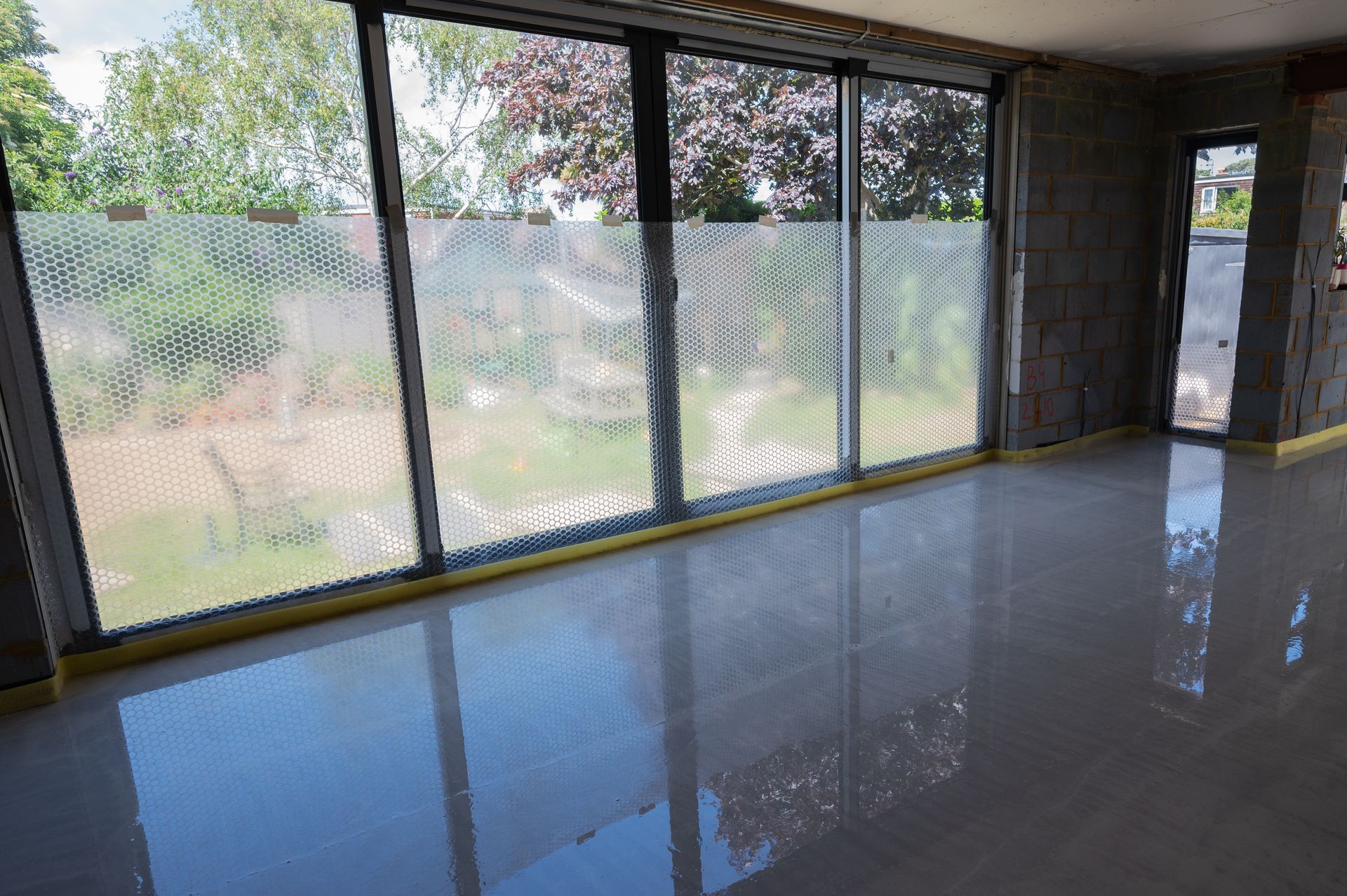
Floor screed is a trade where quality is very visible, and poor workmanship quickly becomes everyone’s problem. Uneven levels, weak areas or inconsistent finishes delay floor finishes, create trip hazards and can trigger disputes between contractors, suppliers and the client team. Using a dedicated specialist team for both screed and, where required, insulation improves consistency from the first bay to the last.
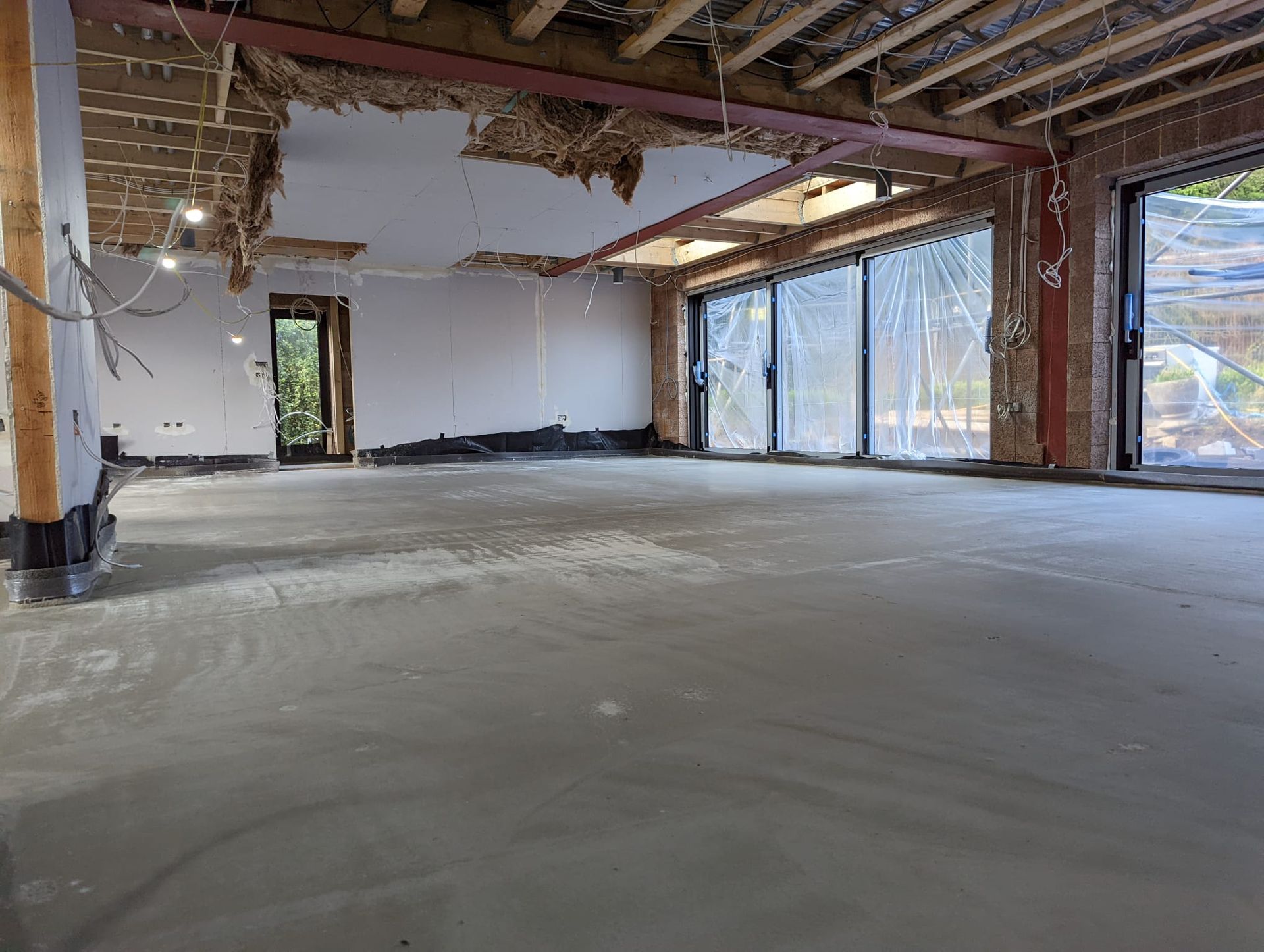
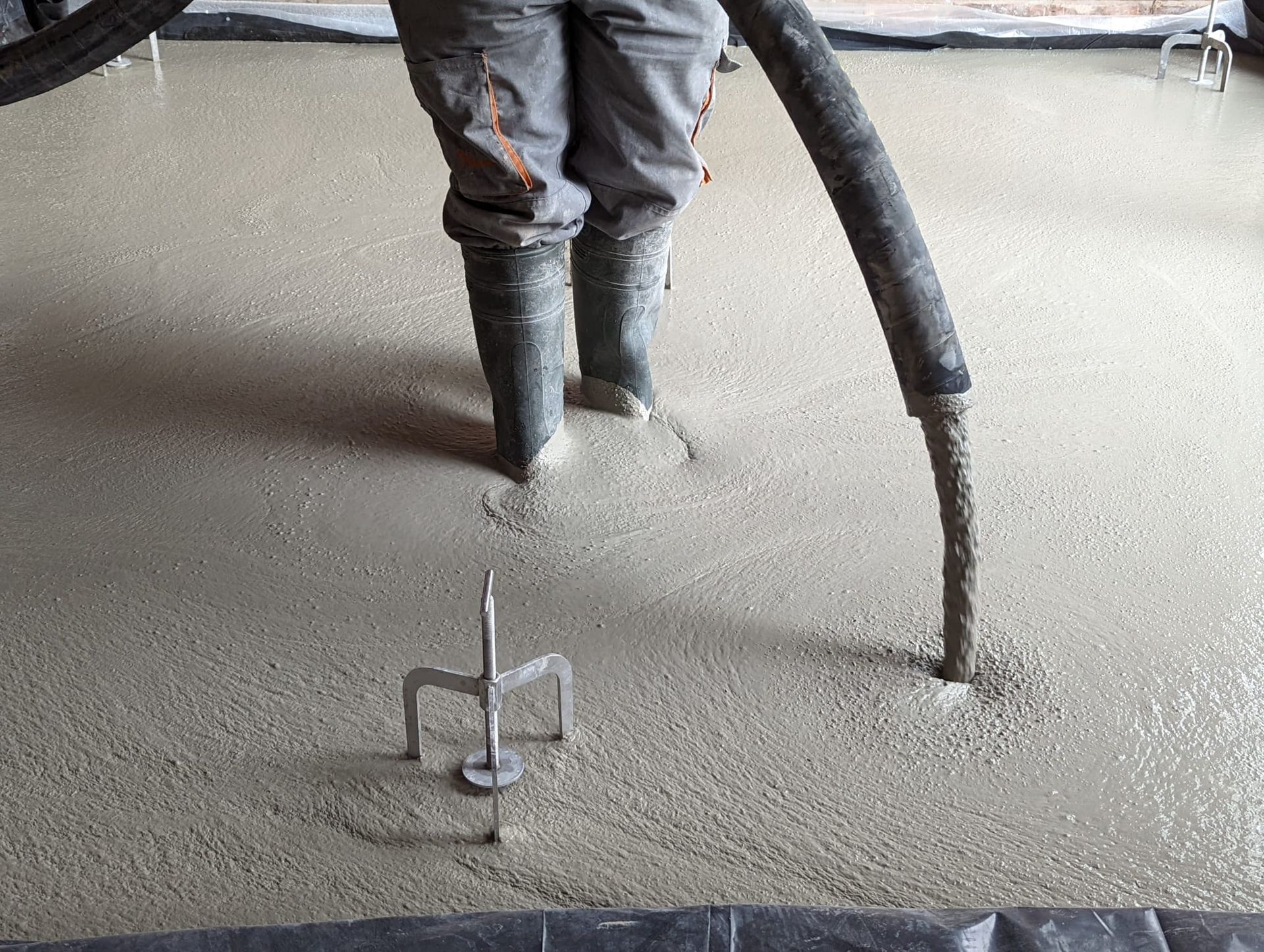
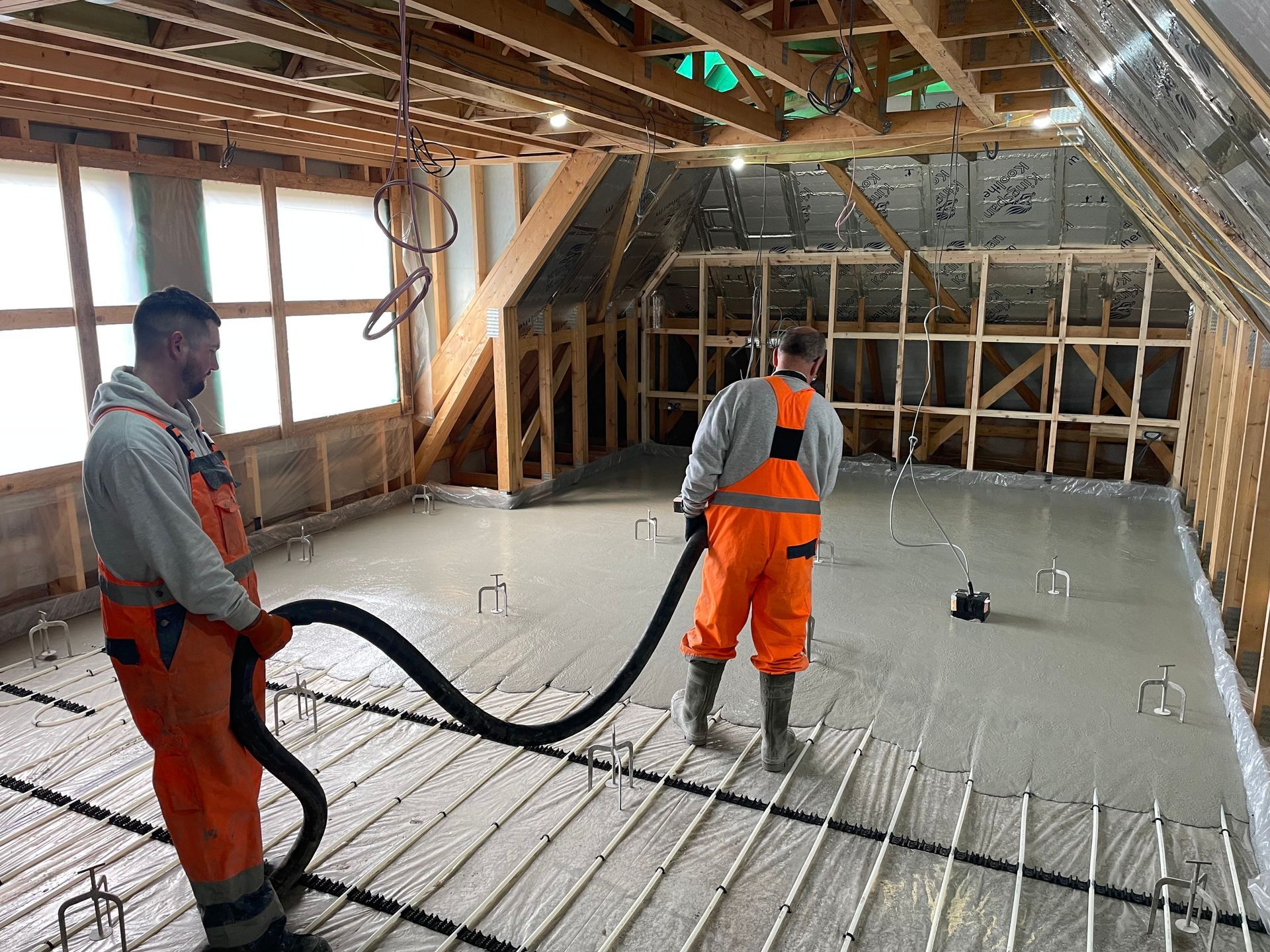
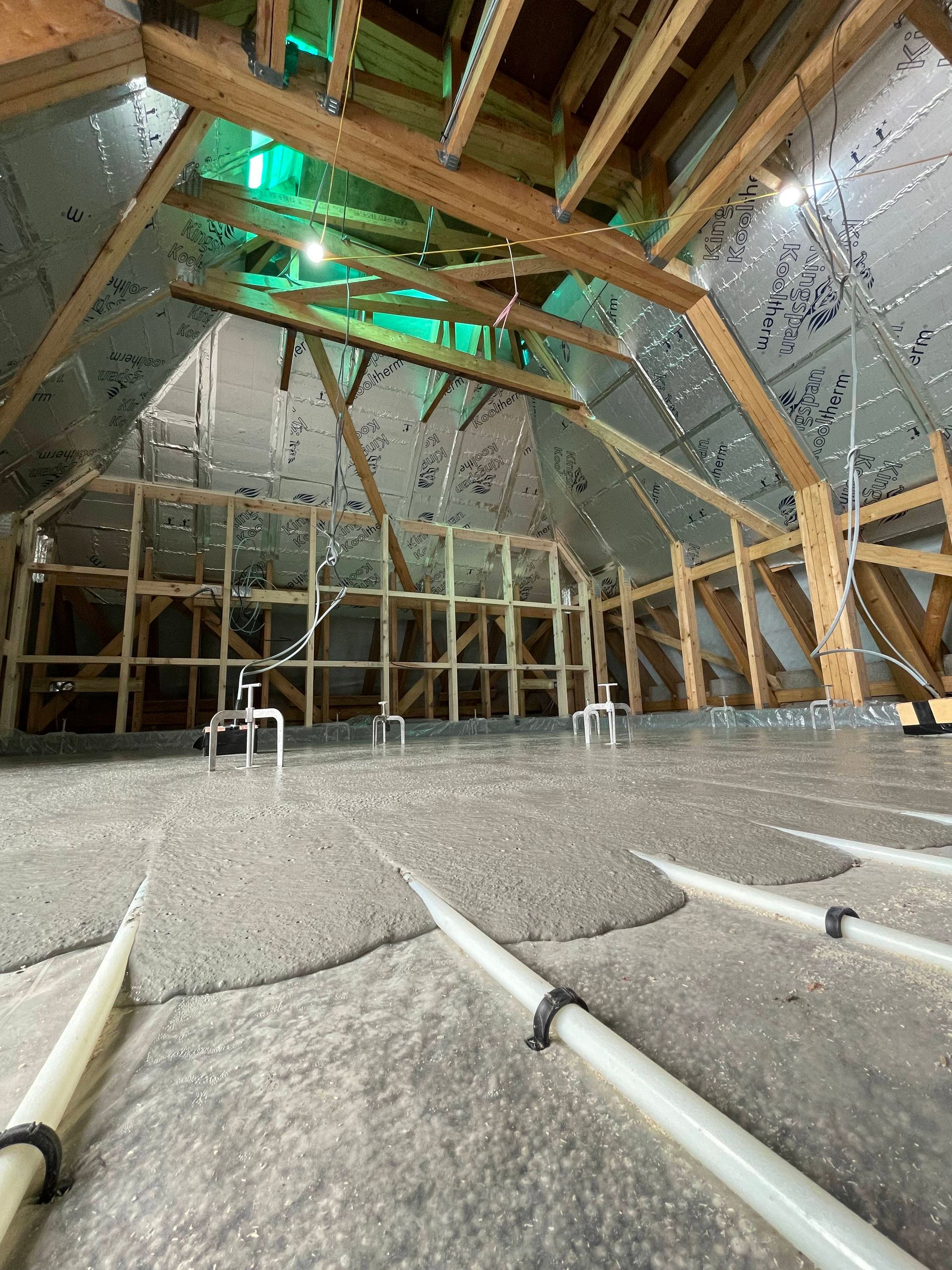
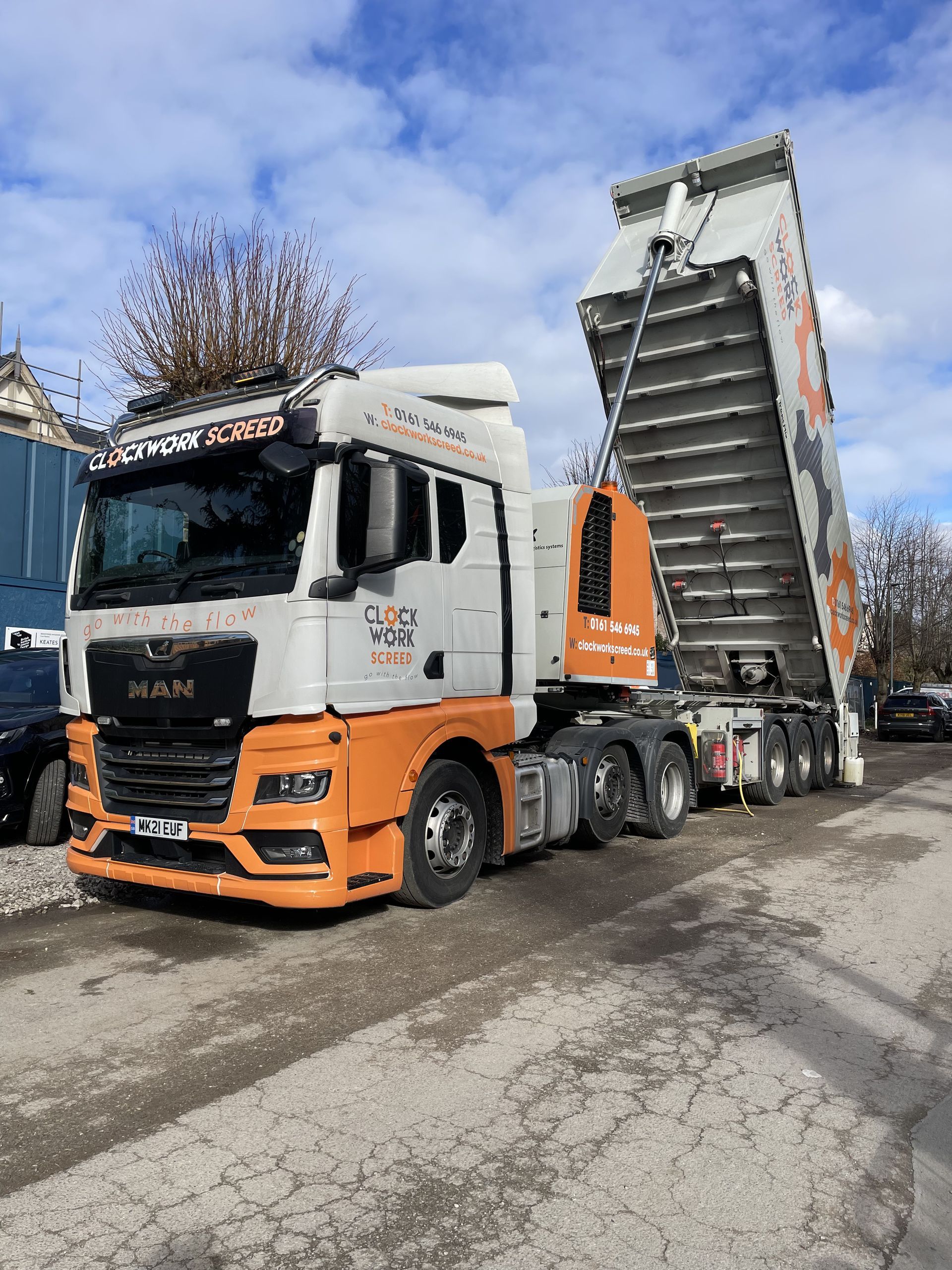
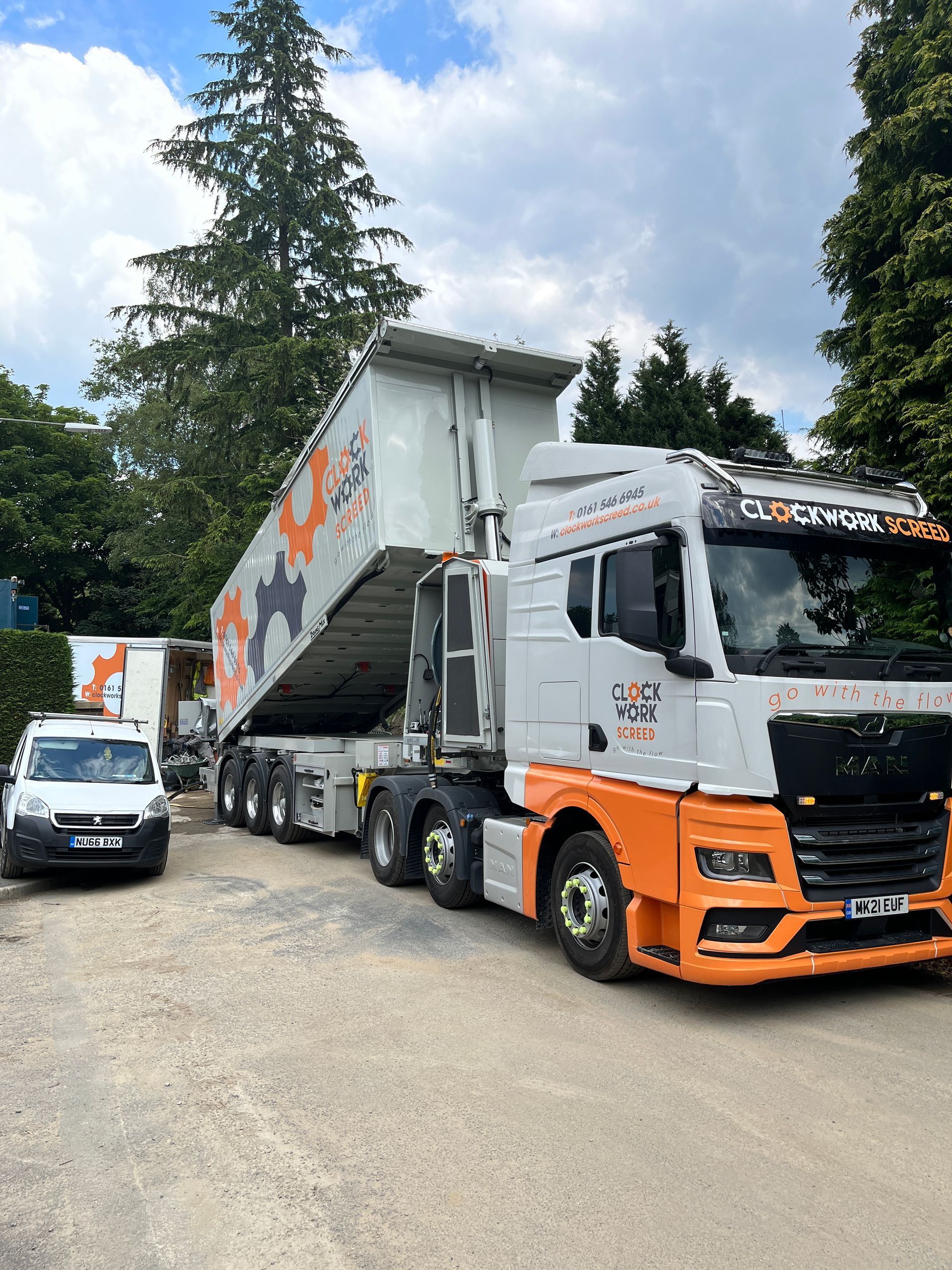
Clockwork Screed’s installers are focused solely on screed and poured insulation, working with the same mobile plant day in, day out. That familiarity with the equipment and materials allows them to control quality closely and maintain a high standard of finish across large areas, typically up to 1,000 m² per day. It also streamlines communication: site managers and project teams have a single point of contact before, during and after the pour.
For builders and principal contractors, the payoff is a smoother handover. Floors are ready for foot traffic within 24–48 hours in many systems, allowing follow-on trades back on site quickly and keeping critical paths intact. With one team and one truck responsible for the floor package, quality, programme and cost risks are all reduced, making it easier to deliver on time, on budget and to the standard clients expect.