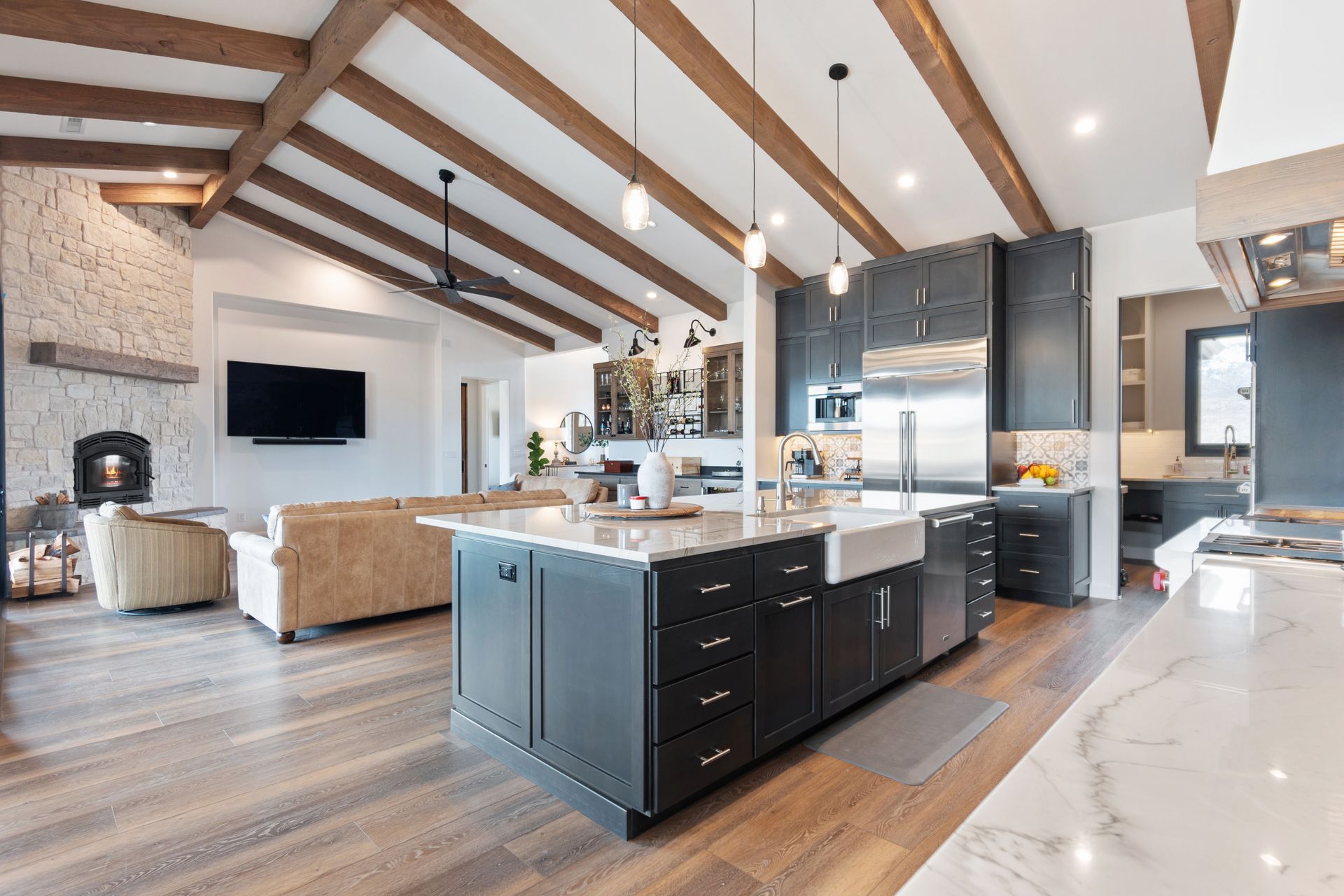
How Floor Design Is Changing In Modern Construction
How Floor Design Is Changing In Modern Construction
Why the best floors are planned earlier
Construction design is changing, and the floor is now part of that conversation much earlier than it used to be. Clients want warmer, quieter and better-performing spaces, while designers are under pressure to keep details clean, practical and easy to deliver on site. That means the floor package is no longer just a technical layer hidden below the finished surface. It is part of the wider design response, especially on projects where comfort, efficiency and buildability all matter.
The shift is being driven by a mix of client expectations and practical construction realities. In housing, commercial interiors and higher-end residential work, the floor is expected to do more than simply provide a base for the final finish. It needs to support thermal performance, work with heating systems, suit the structure beneath it and still fit within tight programme and budget constraints. That makes floor design a more joined-up process than it once was.
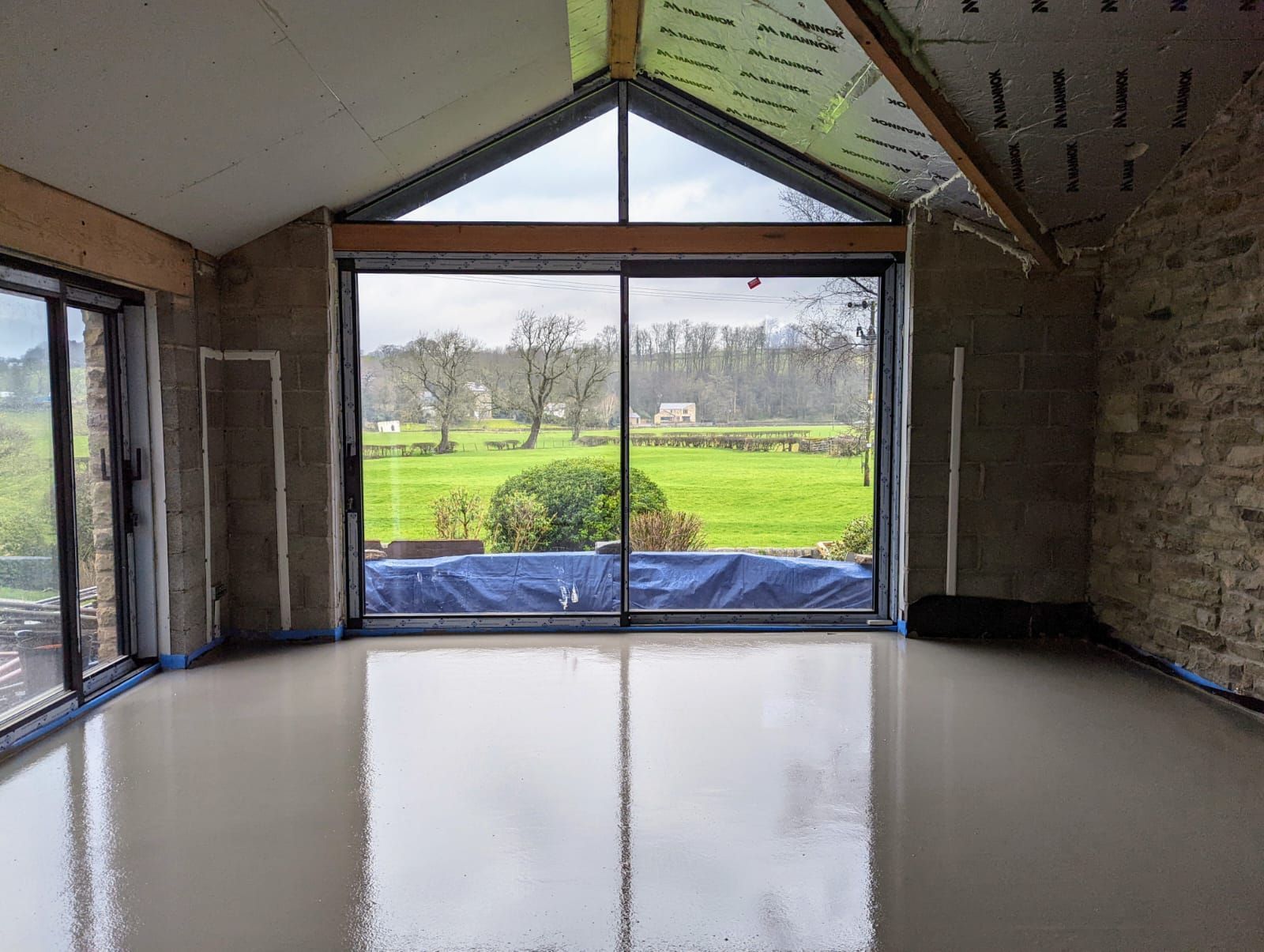
One of the biggest influences on this change has been the rise in underfloor heating. As it becomes more common across new build housing and refurbishment work, the floor build-up itself has to be considered more carefully. The choice of screed, insulation and overall depth all affect how the system performs, how quickly it responds and how easy it is to install. A floor that is designed well can help heat move evenly through the space. A floor that has been treated as an afterthought can make the whole system more difficult to manage.
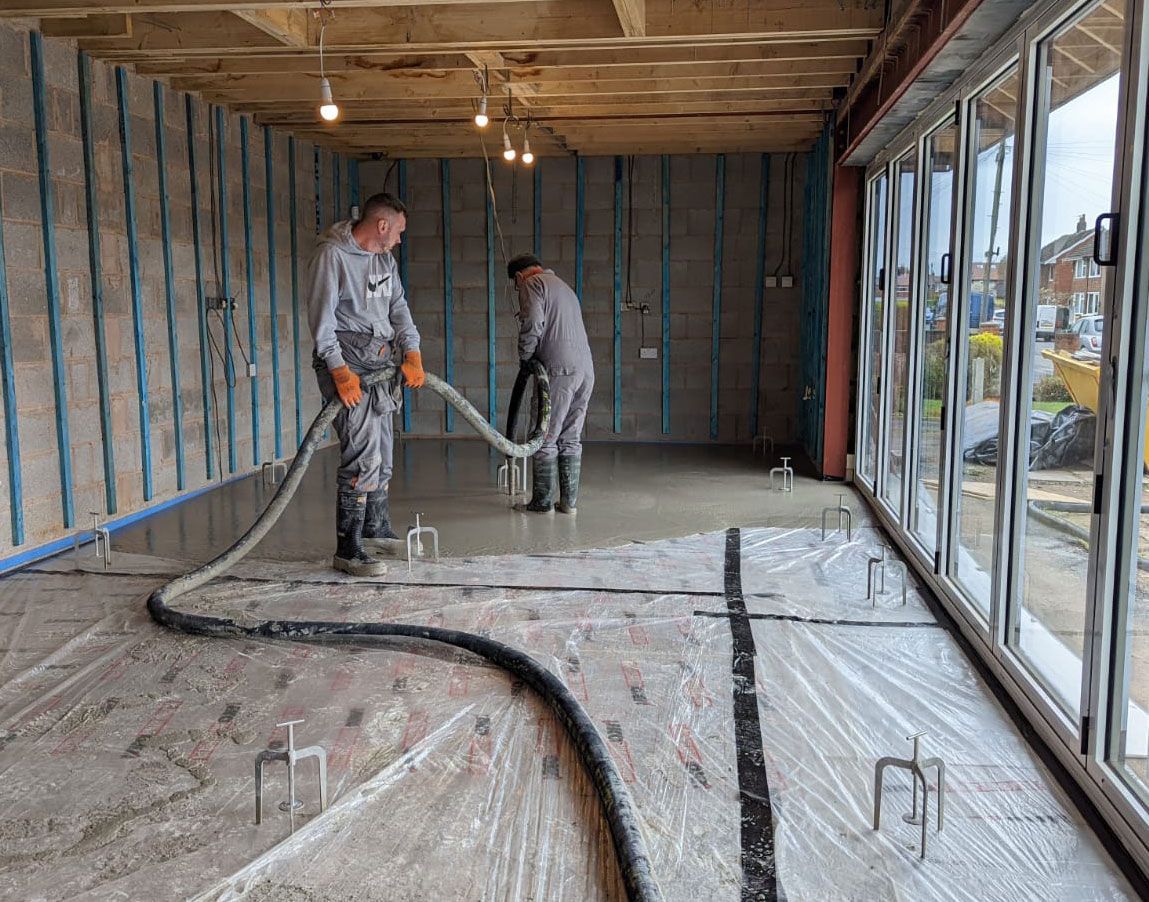
This is also where the idea of buildability comes into sharper focus. A floor may look straightforward on paper, but on site it still has to be delivered by a team working around services, access restrictions, sequencing pressures and other trades. That is why more attention is being paid to floor systems that are consistent, easy to install and less prone to complications during the build. The technical performance still matters, but so does how the system works in the real world.
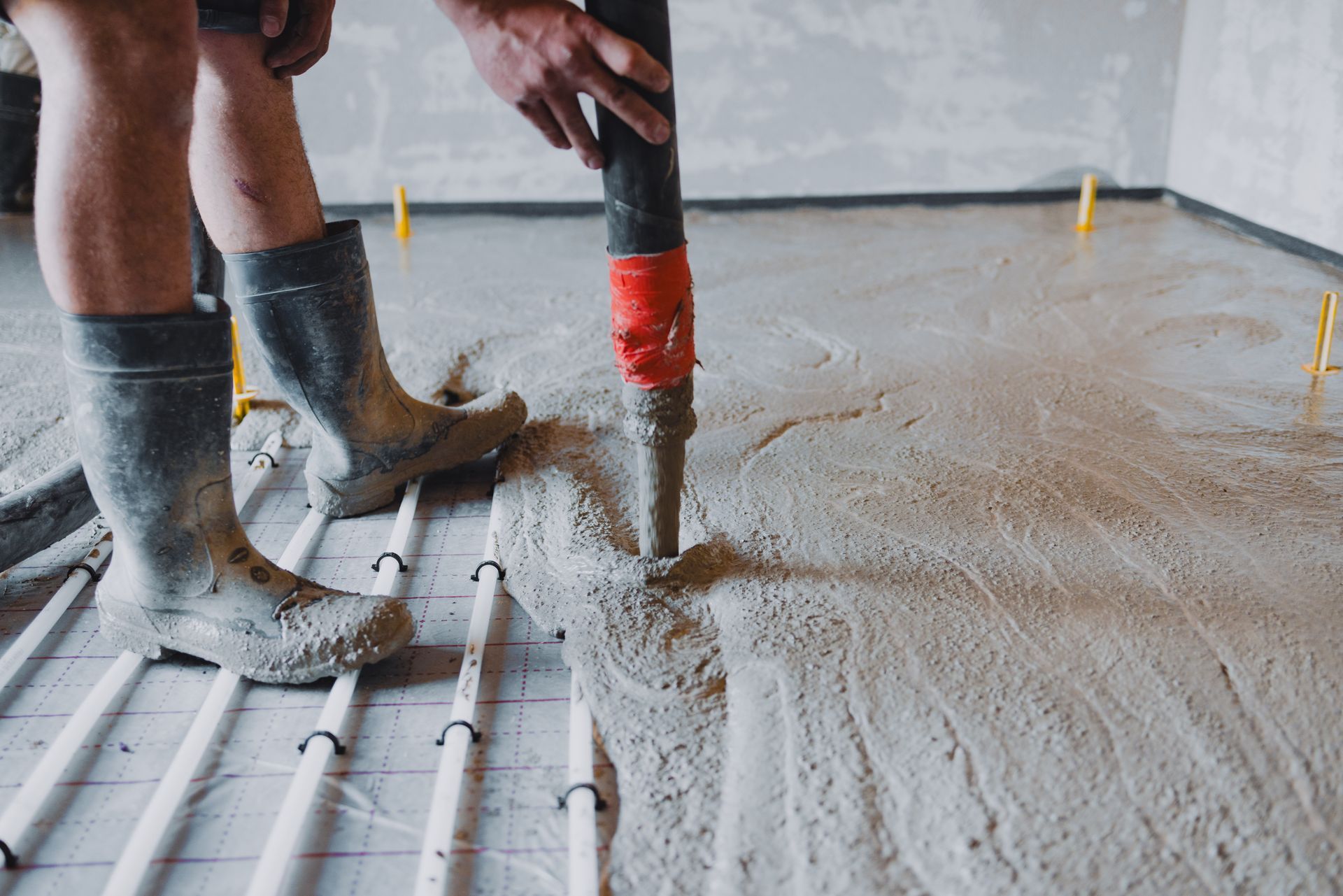
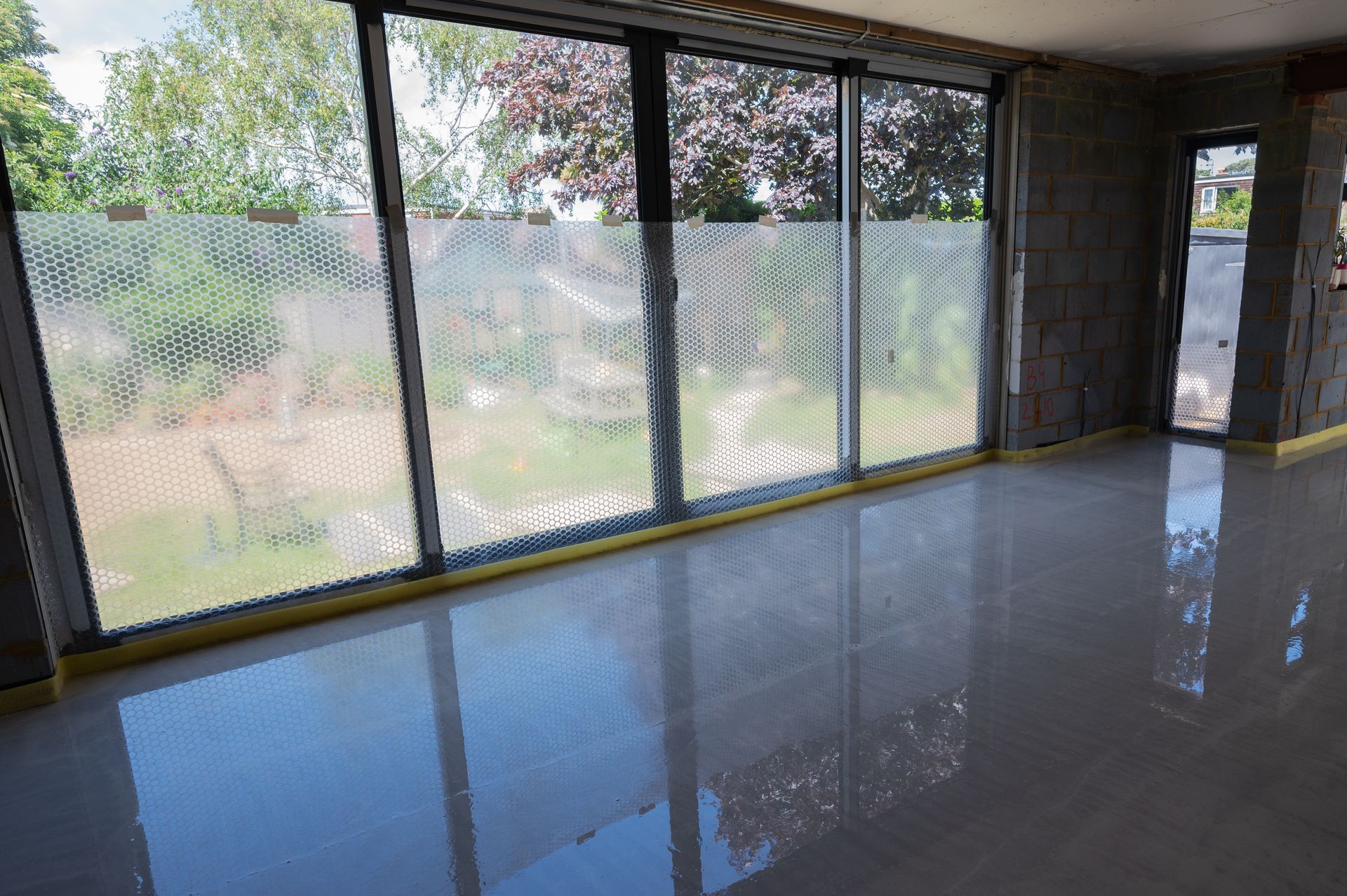
Screed and insulation are often not the headline features of a project, yet they have a major influence on how smoothly the rest of the build runs. They affect the handover to follow-on trades, the quality of the finished floor, and the level of confidence the design team has that the specification will perform as intended. In that sense, they sit quietly at the centre of the project. When they are well planned, nobody notices. When they are not, they can create delays and extra cost.
There is also a growing design trend towards simpler, cleaner floors. Clients and designers alike are looking for spaces that feel more open, more efficient and less cluttered. That has led to a stronger interest in build-ups that support good thermal performance without introducing unnecessary complexity. It also reflects a wider move in construction towards fewer layers of uncertainty and more dependable systems.
For specialist contractors, that change in mindset matters. The more the floor is designed as part of the whole building rather than as an isolated trade, the better the result tends to be. That is where coordination between design and installation becomes valuable. A well-planned floor is one that supports the broader project aims while still being realistic and buildable, which is increasingly what modern construction demands.
Underfloor heating has perhaps made this relationship more visible than anything else. It has brought insulation and screed into the design conversation in a way that was less common before. The floor now has to help deliver comfort, energy efficiency and long-term performance, not simply provide a level surface. That makes the specification more considered, but also more interesting, because the design choices below the floor can have a direct effect on how the finished space feels.

Clockwork’s role in that process is subtle, but relevant. As floor packages become more carefully planned, the value of experienced screed and insulation installation becomes clearer. Products and methods that support a clean, efficient build help the whole process run more smoothly, particularly on projects where underfloor heating and thermal performance are part of the brief.
The direction of travel is clear. Floors are no longer being treated as a background element. They are part of the design story, part of the performance story and part of the buildability story too. For modern construction, that makes them worth more attention than they have traditionally received.
If you’d like to discuss your flooring project, whether underfloor heating, screed or insulation, please contact us on 0161 546 6945